Americans abroad · Bosnia Herzegovina · European travel · ex-pat life · Honeymoon travel · international travel · Mostar · nature · Travel · travel safety

Lessons Along The Road Of Life

fullsizeoutput_7148
Photo credit: Niche Travel Design

When traveling it is always good to be alert, to be aware of your surroundings, know where your money, your phone and passport are at all times. I admit it, I am on alert by nature, but am on extra alert when traveling to a new place. And truth be told, I have been known to let my imagination get the best of me and assume the worst if I am in unfamiliar territory. You all remember the garbage truck in Parma, Italy, right?  Where I was convinced that we would be murdered by an Italian garbage man.

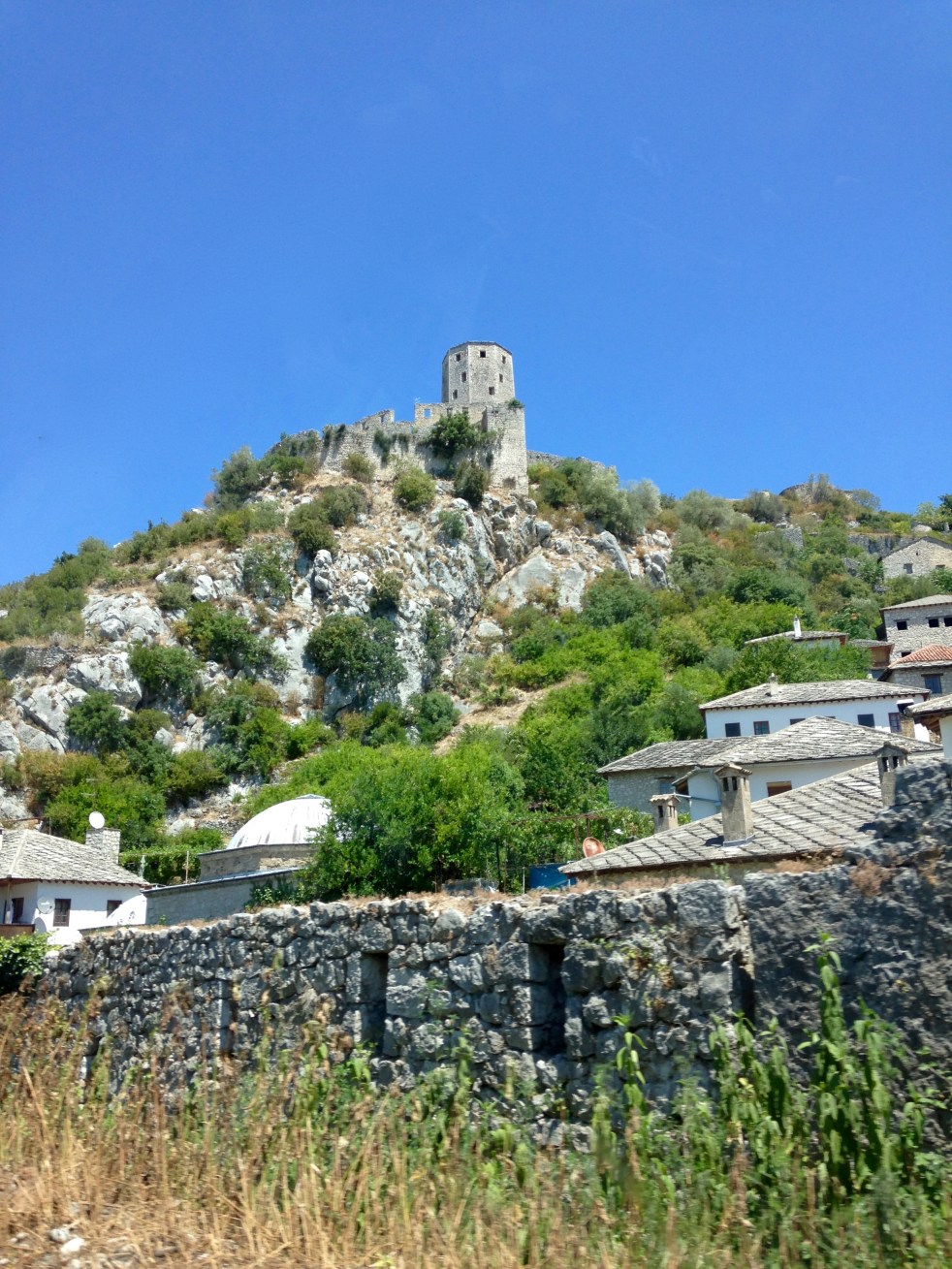
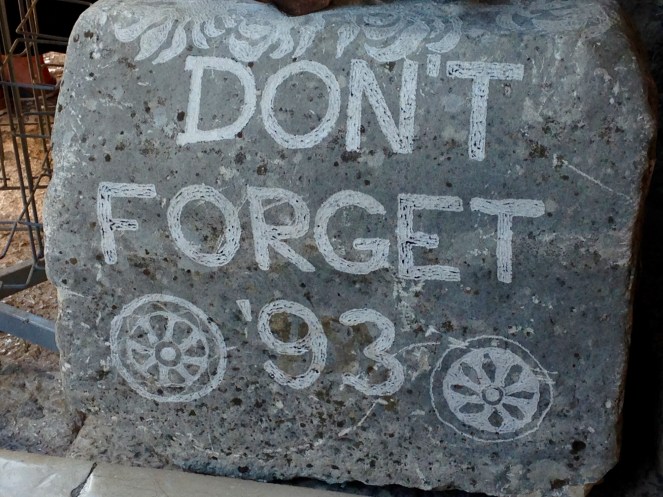
On our trip to Croatia last year we decided to take a day trip to Mostar in Bosnia Herzegovina. We had read that while the main roads are safe, one must not venture off the main roads as there are still active landmines in the countryside left over from the Balkan war in the 90’s.
fullsizeoutput_7154
Photo credit: Niche Travel Design

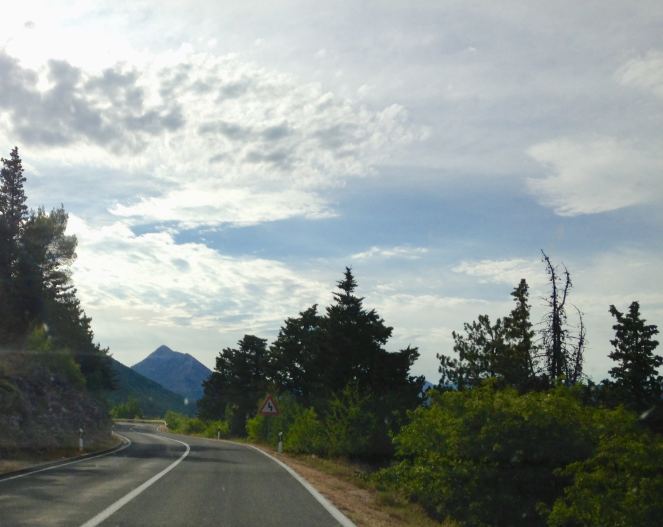
On our way back, at the end of a long, very hot day, we were cruising along a local road on the way to the main highway. Out of the blue we hear honking. The car behind us is furiously honking and waving at us. A quick scan of the dashboard – nothing looks amiss. Tires and alignment feel ok, but still the couple behind us will not stop honking and waving. We pull over. They pull up next to us in a beat up, older model of an unknown car. The couple themselves appear to be human versions of the car, a bit rusty and rough around the edges.

Through what can only be described as a mixture of sign language and charades we understand that we are not to go any farther down the existing road. Our GPS, whom we have named Pippa in honor of her lovely posh English accent, disagrees. Pippa clearly wants us to continue on the road that we are on. My husband suggests that perhaps the local couple knows something that we don’t. Maybe the road ahead is closed? Maybe it is not safe? I point out that Pippa has never let us down. She always recalculates when there is a closed road – as we found out on the way to Mostar.

The local couple is insistent that we follow them.  We continue to exchange unsure and concerned looks.  The local couple wins. My husband flips a u-turn. We follow them down a small back road for about 10 minutes. We have no idea where we are going. Pippa is insisting that we, “Make a u-turn if possible. Make a u-turn if possible”  I am getting progressively nervous. Who are these people? Where are they taking us? What is their motivation for having us follow them? Are we going to hit a landmine on this country road? Are we going to be ambushed and car jacked in the Balkan countryside? The Swedish plates have given us away as tourists/targets after all.

The local couple is about 200 meters in front of us. I ask Joe how he is feeling about following perfect strangers in a foreign land that still has active landmines to God knows where. He is a bit nervous about the whole encounter too. He pulls over to the side of the road.

The local couple’s car stops ahead of us in the middle of the road and just waits. There is no one else around. The only sound was the rustling of a soft breeze, the chirping of insects and the clicking of the GPS dial as Joe re-calibrates Pippa. Setting the GPS takes a long time under normal circumstances and feels even longer when one is convinced that your whole family is about to be taken out.  Then, ominously, the local car begins to reverse toward us.

pexels-photo-105032.jpeg
Photo credit: Pexel

They back up alongside us once again. They look confused. Why did we stop? They once again indicate that we should follow them. At this point we don’t know which way to go. Should we trust the locals or our nerves? Are they helping us or leading us to our demise? Since we have no idea where are are, we anxiously follow them again.

After about 5 more minutes of driving the local couple slows down and points us to the right. They point us down another road. Another road that we soon discover takes us directly to the main highway and relief.
fullsizeoutput_b55d
Photo credit: Niche Travel Design

The locals turn their car around. They honk, smile, wave and head back the way we just came. They were not thieves, carjackers, or murderers. They were simply really lovely, nice people who went 30 minutes round trip out of their way to help some dumb tourists heading down the wrong road in the Balkan countryside.

To that local couple, thank you. I am grateful to you for restoring my belief that most people in this world are good and kind. I promise to pay it forward and help strangers in need along this journey of life. I will do this in your honor and I will think of you every time.

pexels-photo-424517.jpeg
Photo credit: Pexel
Americans abroad · Croatia · European travel · ex-pat life · international travel · Plitvice Lakes · Travel

Plitvice – Where Unicorns, Rainbows and Fairies Are Born.

exploring-the-plitivce-lakes-705x470.jpg
Photo credit: Getty Images

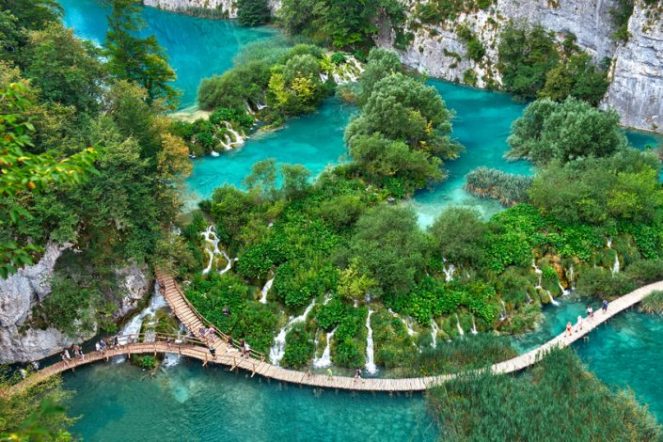
A few years ago, my brother told me about a national park in Croatia. He showed me some photos online and I could not believe that a place like Plitvice Lakes National Park existed. From the photos it looked fake. It looked like a place where unicorns, rainbows and fairies are born. I had to see it for myself.

fullsizeoutput_b531fullsizeoutput_b537

Listed as Croatia’s most popular tourist attraction, each year more than 1 million visitors head to this UNESCO World heritage site.  Most visit in the summer, but the park is open year round and after experiencing Plitvice, I want to revisit the magic of this place in autumn. The color of the trees set against that water must be incredible.

Plitvice is located in the mountains of central Croatia, near the border with Bosnia and Herzegovina, and, between Croatian capital city Zagreb and Zadar.  We purposefully chose the Dalmatian region for our trip due to its central location to a number of national parks that we wanted to explore. Pltivice was the last park we visited at the end of our stay and we almost didn’t make it. I am so glad that we made the time. The park is a must-see destination in Croatia.

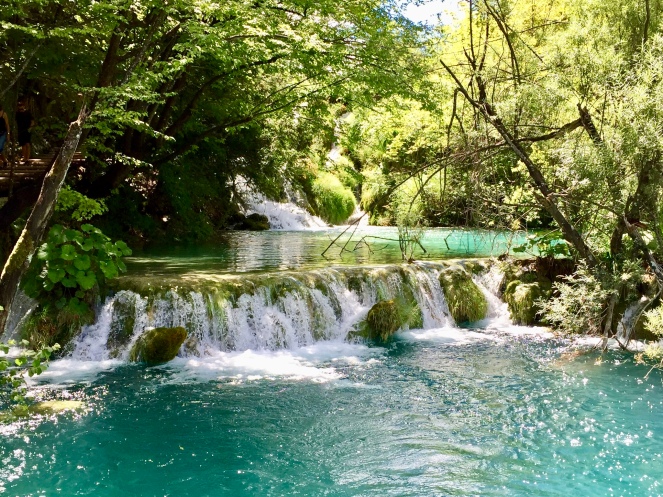
The park is made up of a series of cascading lakes which result from several small rivers flowing into one another. Fortunately, due to the protections provided by its UNESCO World Heritage Site designation, Plitvice has been allowed to flourish and maintain its natural Garden of Eden-esque status. The topography is varied. The flora and fauna, lush.

The origin of the name Plitvice has two incarnations. One version states that a priest named Dominik Vukasović, named the lakes pličina or plitvak, meaning shallow, because the lakes were formed by river water flowing and shaping shallow travertine basins  over time.
Another version of the name stems from the fact that the river Plitvica and the adjacent village of the same name gave origin to the name. It seems most logical to me that the 2 stories are both true. The name may have come from the Croatian word for shallow and then the river and village took on the same name given their proximity. What is interesting, however, is that reference to “shallow” may not be apropos forever. The travertine basins are living entities consisting of bacteria, algae, sediment and minerals which, much like coral in the oceans, are growing continuously. The travertine accumulates and grows at a rate of about 1 cm (0.4 in) per year. Ok, so maybe the “shallow” moniker still stands, but over time the entire area is growing which I find fascinating.

Things To Do
Plitvice has something to offer every outdoor enthusiast. One can leisurely stroll along the planked walkways, hike, boat, canyon climb, cycle or ski and sled in the winter.  The only thing one is not allowed to do at Plitvice, is swim. Sorry to you swimmers out there, but there’s no swimming allowed because of the need to protect the travertine and the plant and animal life which makes the places so enchanting . If you must get as close to the gorgeous water as you can,  small row boats are available to rent for 50kn/hour (7 euros or 8 US dollars ).  You can also take a ride on an electric boat to the 12 upper and 4 lower lakes. The electric boat rides are included with your admission ticket.

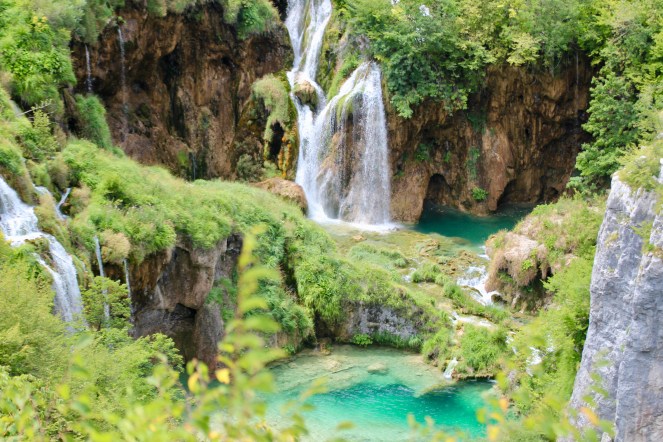
There are approximately 300 square kilometers, forest trails, 16 lakes, limestone canyons and waterfalls to explore.  There were so many waterfalls that we lost count.  Many people spend a few days at Plitvice, and there are plenty of accommodation choices available – everything from luxury lodging to camping. Sadly, we were only able to carve out a day trip from Zadar.

Things Not To Do
When visiting the park, it is critical to know that one cannot:

  • Collect plant materials or take any “souvenirs” of natural origin
  • Feed, disturb, touch the animals
  • Swim in the lakes (that part is the most disappointing as it was hot as Hades and the water looks sooooooo inviting).
  • Throw litter along the trails or elsewhere, except in the garbage bins installed throughout the park. It is shocking that this is even something one needs to be reminded of, but . . .
  • Stray off of the marked trails
  • Fish
  • Yell or be loud
  • Cycle or camp within the park’s borders

The Water Really Is That Color
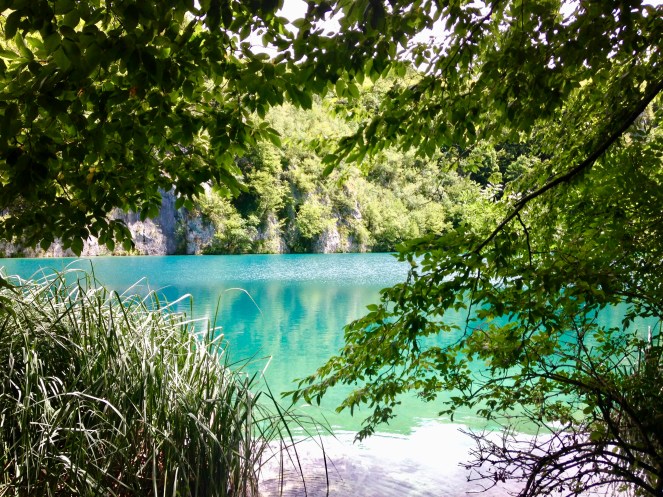
The lakes are renowned for their distinctive bright colors. And, the water color changes from emerald green, turquoise blue, and grey depending on the quantity of minerals, the number of organisms in the water, the season, and, the angle of sunlight.

We saw bright turquoise, emerald green and crystal clear streams. The fact that the water color changes at just about every turn, adds another element of otherworldliness to the place. This park had all my senses engaged and stimulated my imagination. I was imagining children’s books where the places were named for the different locations and colors. The fairies live at Emerald Lake, while the unicorns hide behind the rushing falls of Turquoise Lagoon. And, of course rainbows are made on top of Oštri Medveđak, the park’s highest peak. Silly? Maybe. The magic of Plitvice got me.

Practical Stuff
There are two entrances to the park. When planning your trip, check out the trail options before you go in order to know where to park.

We opted for Entrance 2 (South Gate and Upper lakes) as it was closer to the waterfalls that I wanted to see. When visiting, be advised, the park is crowded, the walkways are simple uneven wooden planks with no railings. I cannot tell you the number of times I almost was jostled into the water. Advice, take a waterproof camera and/or phone case for your smartphone in case of an accidental fall into the water.

From entrance 2, there are 4 trail options to suit every level of difficulty and time.

  • Trail E (2-3 hours – 5.2 km – easy) upper lakes to Proscansko Jezero starting with a short boat ride across the Kozjak Lake.
  • Trail F (3-4 hours – 4.6km – easy) walk the upper lakes and sail across lake Kozjaka, then visit the lower lakes – take shuttle back
  • Trail H (4-6 hours – 8.9km – moderate) starts with a bus ride to your starting point, walk the upper lakes then sail across lake Kozjaka, to the lower lakes – take shuttle bus back.
  • Trail K-2 (6-8 hours – 18.3km -difficult) like Trail K-1 – explore the whole park.

Another option if you are looking for a moderate hike, is Trail C from Entrance No 1. This path starts with an uphill climb and allows you to see both lakes. A stop at the upper lakes is also a perfect spot to rest, drink some water and enjoy a picnic.

If you go in the summer, try arrive early as it gets VERY crowded.  We were told that the majority of tour busses usually arrive between 11:30 – 12:30.  If you get there early enough, you can avoid the majority of the tour bus crowds.  Another option for a visit during the summer, is to arrive in the afternoon when most tour groups have finished their guided walks. Summer days are long with light and a peaceful afternoon in Plitvice would be heavenly.

I would also recommend packing a lunch. We made the mistake of not bringing food and were disappointed with our options. The food inside the park is bland, overpriced and poor quality. It would have been much nicer to have had a nice picnic overlooking this:

fullsizeoutput_b520

My family loved everything about Croatia, but Plitvice was definitely one of the highlights. If you visit Croatia, you simply must visit Plitvice. And, please, let me know if you spot any fairies, unicorns or rainbows.

Americans abroad · art · Copenhagen Denmark · Denmark · European travel · ex-pat life · international travel · Malmo Sweden · Modern Art · Travel

Sun, Sea & Picasso – The First Day of Spring at The Louisiana Museum of Modern Art

We here in Scandinavia have had an unusually long winter – 5 1/2 months to be precise. 5 1/2 months of snow, sleet, rain, cold grey days.  This weekend the spell was broken, however. It was sunny at last. A proper spring day with sun and a chill in the air. All day I kept hearing the Beatles refrain in my head , “Here comes the sun . . .”

In honor of the lovely first day of spring we headed to one of our favorite indoor/outdoor spaces – The Lousiania Museum of Modern Art in Humlebæk, Denmark.

The museum sits on a bluff overlooking the Öresund Strait and enjoys sweeping lawns with an incredible display of sculpture, trees, flowers, sea breezes. Just visiting the grounds are worth it, but then there is the museum itself. Architecturally, the museum structure and grounds evoke Frank Lloyd Wright and his philosophy of bringing nature into the building. The museum is designed with lots of big windows whose function it is to bring nature inside the museum walls. It is a space that simply makes one feel calm, peaceful and good.


The grounds have sculptures scattered throughout. The sculptures are not placed haphazardly, however. The sculptures are specifically positioned in order to interact with the architecture and nature that surround them. The placements are precise and are designed to allow visitors to enjoy a different experience with each visit depending on the weather and the season.

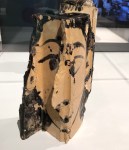
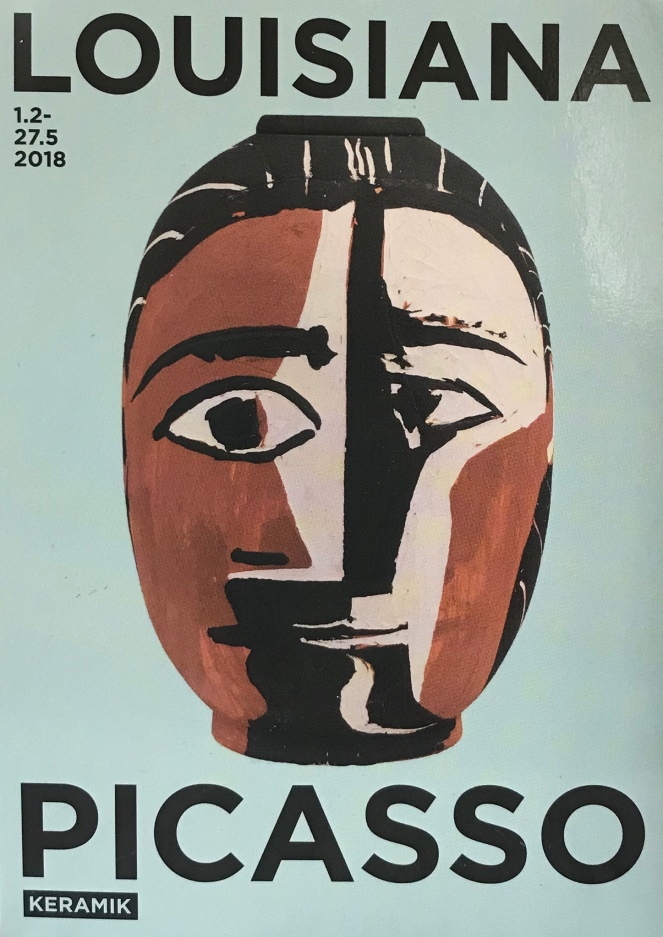
We would have been happy just enjoying the sun and sea that day, but imagine our surprise when we arrived and discovered that there was a Picasso ceramics exhibit going on. This particular exhibit was named one of the top exhibits to see in 2018 by the New York Times and it does not disappoint.

fullsizeoutput_b40b.jpeg

In fact, it was stunning. One of the things I have always loved about Picasso is that his work is so dynamic and prolific –  his work encompasses traditional paintings, the cubists phase, sculpture and then his colorful, whimsical ceramics.  There are over 160 pieces on display and a lovely film offered with English subtitles about this particular creative period in Picasso’s life.

Picasso’s interest in ceramics began in the summer of 1946 when he attended an exhibition in Vallauris, France, an area known for making ceramics since Roman times. After WWII, and at at the height of his success, Picasso returned to Vallauris seeking new artistic experiences. The war had worn him down emotionally and he sought new challenges and inspiration artistically.  In this last period of his life he began to pick up clay and he immediately began experimenting with the materials, glazing techniques and processes. Apparently, Pcasso loved how unpredictable the firing process was on the clay and he enjoyed the resulting surprise of colors that emerged.

All in all, it is estimated that Picasso produced over 4,000 cera­mic objects during this time. It is said that one of the things that inspired him to create ceramics was the desire to put art in the hands and lives of the common man.  By turning utility objects like a platter or a water pitcher into an art piece, it allowed art to enter the every day world. So dedicated to the concept of making art available to all, Picasso created a line of work called Edition Picasso which were created specifically to be affordable. Picasso essentially served as the designer and allowed a ceramic workshop in Madoura, France to actually replicate each piece. This was one of the first (if not the first) times in art history that copies were mass produced based on an original work.  Picasso’s confidants advised him against this idea warning him that the practice would devalue his other works. Picasso soldiered on with the idea and from 1947 – 1971 he designed over 600 editions for the collection. And while initially affordable, once the artist died, the Edition Picasso ceramics went steadily up in price and did no damage at all to the value of Picasso’s other works.


If you are in the Copenhagen area and are looking for a unique museum experience as well as an outstanding collection of art, I highly recommend the Louisiana Museum of Modern Art. And if you are not in the area just now, keep a look out for the Picasso ceramic exhibit coming to a museum near you. You will not be disappointed.