Adventure travel · Americans abroad · European travel · ex-pat life · food · Göteborg Sweden · gothenburg · Gothenburg Sweden · Honeymoon Planning · honeymoon tips · Honeymoon travel · Insider Tips · international travel · lobster · mys · nature · Off The Beaten Path · restaurant · restaurants · Skåne · Skåne Sweden · Sweden · swedish food · The Unique and Unusual · Travel

The Black Gold of Sweden – Sweden’s Unusual Delicacy

Picture
Photo credit: Henrik Trygg

AUTUMN IN SWEDEN | HUNTING FOR BLACK GOLD 

Sweden in the autumn is a beautiful site. The land is painted with a palette of orange, red and yellow palette trees, blustery clouds, and blue skies. Along the incredible Bohuslän coast of Sweden it is hummer season. I know, giggle, giggle, but hummer means lobster in Swedish, so get your mind out of the gutter.

And hummer season in this part of Sweden means one thing – Sweden’s unusual delicacy, Black Gold.


While crayfish festivals mark the summer in Sweden, autumn means lobster. The official start date of lobster season in Sweden is the first Monday after September 20th. The last day of the season is April 30th. After the close of lobster season, lobsters may not be fished or held in any form.

Lobsters found along the Swedish coast are known as Black Gold due to their black color in the wild.


​Last autumn we went in search of fresh lobster only to realize we had ventured out on a national holiday and everything was closed. So on a crisp autumn day this year, and after a bit of calendrical research, we headed to Göteborg in search of fresh Black Gold, hummers, lobster.

GÖTEBORG | THE BOHUSLAN ARCHIPELAGO

For the residents of the Bohuslän coast of Sweden, the start of lobster season is a celebration of the same magnitude as Midsummer, Walpurgisnacht or Christmas. The opening day of lobster season is the main event of autumn along the Swedish west coast stretching from Göteborg all the way to Finland. This a very big deal! ​ The locals are so serious about lobster that in 1996 they established the Swedish Lobster Academy in Hunnebostrand. The academy promotes knowledge about lobsters’ living conditions, distribution, movement patterns, and reproduction. Members focus on sustainability and they collaborate with fishermen to address issues such as trapping and farming opportunities. The academy promotes quality assurance of lobster with respect to size, breed, and appearance.

To give some perspective, remember that people have been fishing this coast since the Stone Age. Fishing has been a source of livelihood for generations. The sea and seafood have a culture all its own and each September the area transforms into a huge seafood party. On the first day of the season, both professional fishermen, as well as locals, head out to the docks long before the 7:00 a.m. start time. Coveted spots are held well in advance. The piers are bustling as everyone readies and waits. At 7 am the water is full. Time to pan for Swedish Black Gold.

If watching from the docks isn’t enough for you and you want to experience lobster trapping up close and personal, you can go on a lobster safari. All along the coast there are numerous outfits offering a true day at sea complete with baiting the lobster traps, hauling the traps and pots around the boat and of course, eating your catch at the end of the day paired with a special release of lobster beer from the Grebbestadsbryggeri brewery.

We opted to explore the archipelago of Göteborg thinking we would wander and stumble upon a lobster restaurant when the mood struck and our stomachs demanded it. As cars are not allowed on most of the islands, travel to, from and about the archipelago is by ferry.

The Göteborg archipelago is a captivating blend of charming fishing villages with Swedish red clapboard houses and granite islands with individual island forests jutting out of the green grey waters. The landscape is stark and lush at the same time. With this topography, it is no wonder that the area is rife with legends of mermen, adopted sea boys, sea witches, and blind sea captains. I was suddenly inspired to write stories and film movies there. The majority of the islands are uninhabited, but occasionally one can spy a lone house on an island. Cold wind, grey skies, granite mounds, the caw of seagulls, lonely clapboard houses, only one way on and off the islands and talk of Black Gold! Murder mysteries were running through my head.

We landed on the island of Styrsö and began our exploration the old fashioned way – walking.

Styrsö appeared to be a summer resort island and we were well past summer. Styrsö is touted as having 1,400 inhabitants, although we only saw about 10 people total, and half of those were tourists like us. The landscape varies from desolate and rocky in the west to wooded and lush in the north near the old church. I read that long ago the island housed a large oak forest. Alas, the forest was cut down to make way for the summer homes of wealthy Göteborgers in the 19th century.

Despite the off-season isolation, hints of the charming village it must be in the summer months were everywhere. Large summer homes, wooded trails winding through town and down to secluded beaches. Even my son, who is usually in his own world, noted how nice the island seemed.

While Styrsö is a lovely little island, we wanted fresh lobster and none was to be found on this deserted island. I was getting hangry. Time for Plan B. We headed back to the dock to catch the ferry to Göteborg. We needed to find a restaurant.

In addition to the stark, Nordic beauty, the Bohuslän coast, and Göteborg specifically, is famous for serving the best shellfish and seafood in Europe. There are countless seafood restaurants to choose from. Göteborg’s most famous chef is Ulf Wagner of the Michelin-starred Sjömagasinet which many Swedes will tell you serves the best fish in all of Sweden.

In an interview with Travel and Leisure, Chef Wagner explained why the Bohuslän seafood is so special.

“The water in northern Europe is colder, so the fish and shellfish grow less quickly, and therefore develop a richer flavor and better texture,’ he said. Wagner explained that the timing of the lobster season is based on protection of the species—making sure it is able to reproduce before being caught—and the time of year when it tastes the best.”

​Since one needs a reservation at Sjömagasinet months in advance, and we were all very hungry at this point, we chose a more affordable and immediately available mid-ranged restaurant. We gorged ourselves on grilled lobster, baked lobster and lobster rolls. It was fresh. It was delicious. It was worth the wait.
 

Americans abroad · art · European travel · ex-pat life · ex-pat reality · France · Germany · Honeymoon travel · Insider Tips · international travel · Maastricht · Modern Art · Off The Beaten Path · pastel de nata · restaurant · The Netherlands · The Unique and Unusual · Travel

Holland Off The Beaten Path | Marvelous Maastricht

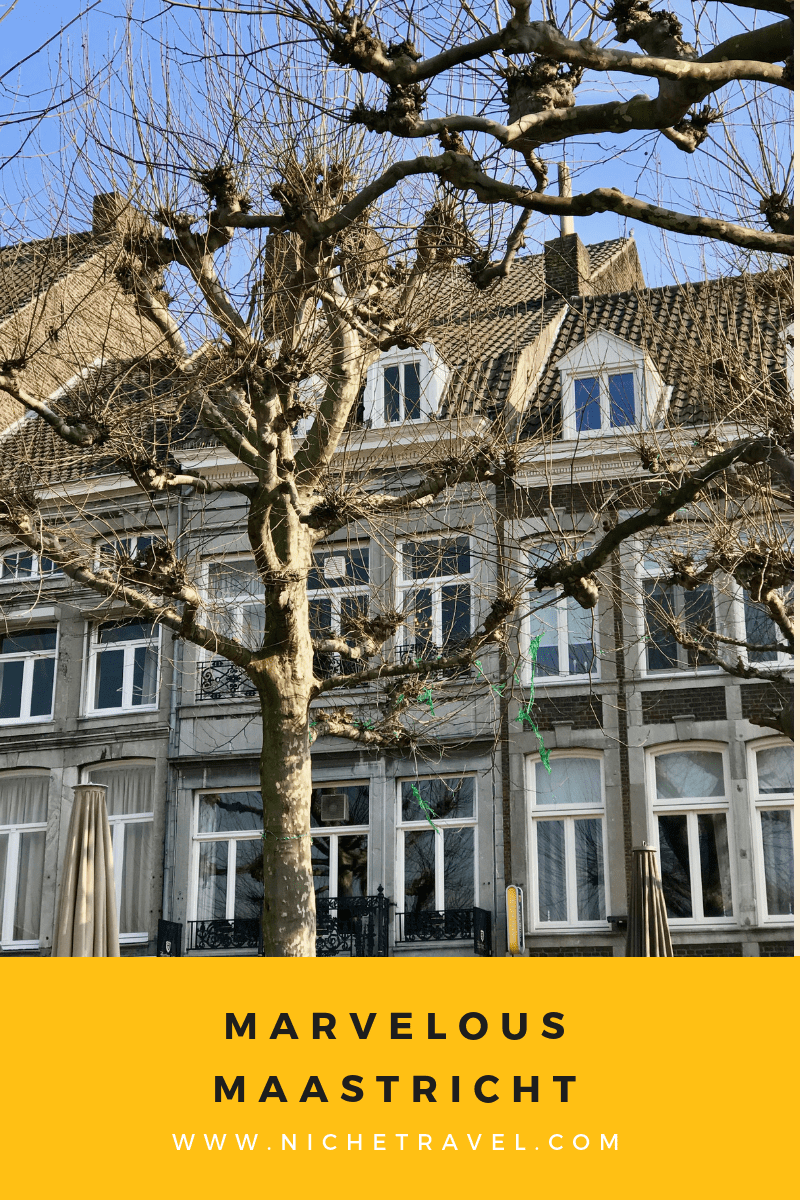
Visiting Holland, most people head to Amsterdam or The Hague. A little bit off the beaten path lies Marvelous Maastricht. The first adjective that comes to mind when I think of Maastricht is charming. Cobblestoned streets, Baroque, Romanesque and Renaissance architecture, large market squares, cafes and a riverfront all add to its appeal.

MAASTRICHT | STEEPED IN HISTORY

One thing that the locals are quite proud of is that the EU was officially formed and ratified as a result of the Maastricht Treaty of 1992. A pretty big development in European history.

“But Maastricht was not the end of history. It was a first step towards a Europe of growth, of employment, a social Europe.

That was the vision of Francois Mitterrand.”

Laurent Fabius

Maastricht also claims to be the oldest city in the Netherlands. The town of Nijmegen also makes that claim, but either way, Maastricht was the site of archeological relics dating between 8,000 to 25,000 years old!

The name Maastricht is derived from Latin and means “crossing at the Meuse.” The crossing being an ancient Roman bridge built in the 1st century AD over the River Maas. Unfortunately, the ancient bridge is gone, but this delightful town still straddles the Maas river and boasts of being walking distance to Belgium, cycling distance to Germany and a quick drive to France. A true international crossroad.

And international it is. It is not uncommon to hear Dutch, German, French, and English on the streets and in the many cafes. Maastricht’s proximity to 3 other countries together with the international student population of Maastricht University has birthed a vibrant, multi-cultural population bustling with the palpable energy that comes with youth and diversity. 

MAASTRICHT SIGHTS | THE MARKET SQUARE AND HET VRIJTHOF

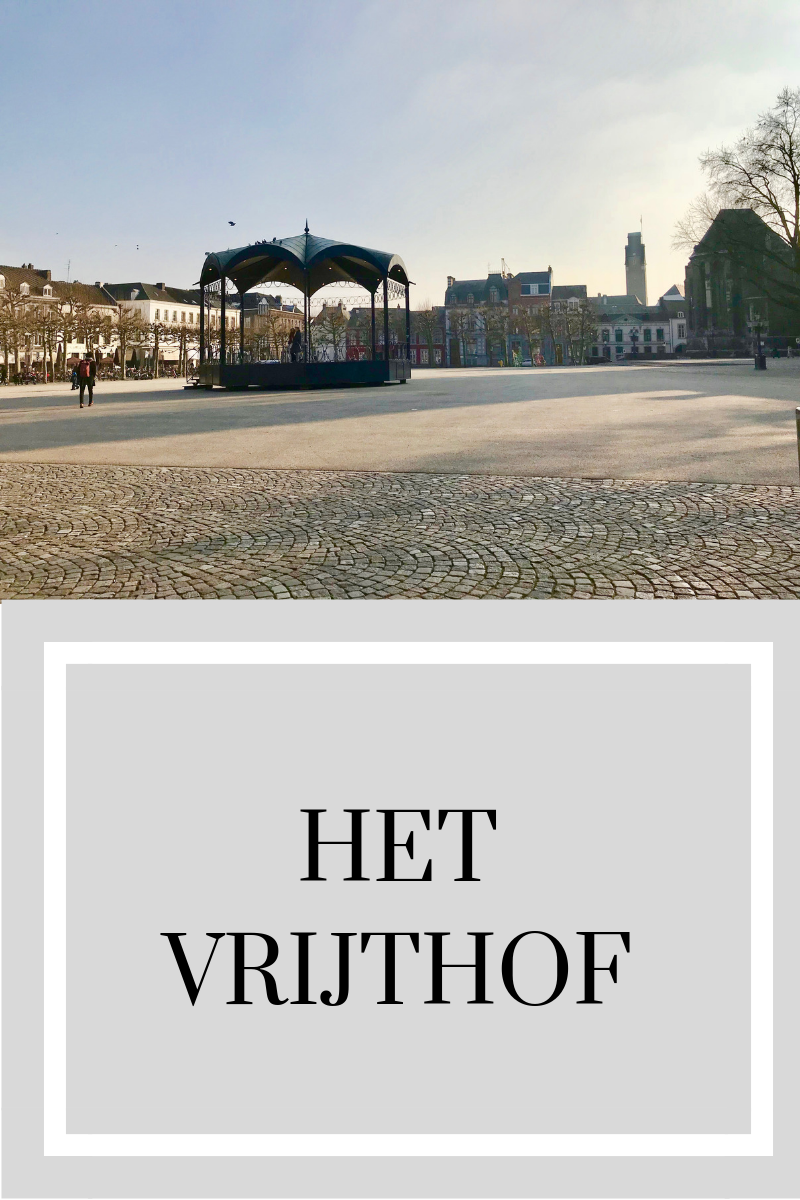
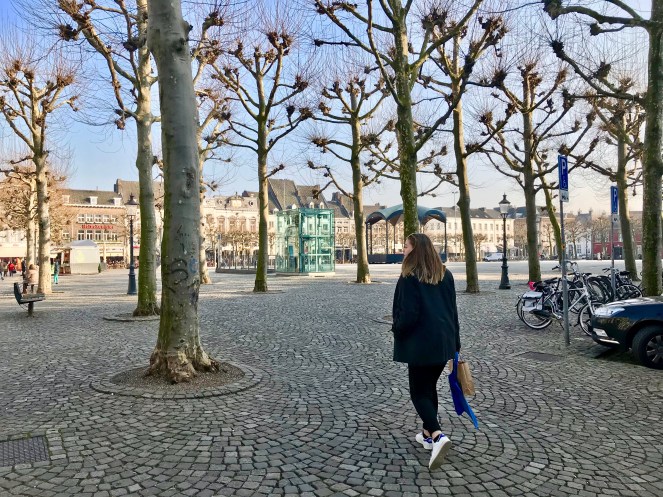
At the heart of the city lie 2 distinct squares. The largest square, called Het Vrijthof, is a large space surrounded by restaurants and cafés with outdoor seating, a pavilion, and public art.  It is one of the larger public squares I have seen in Europe. It is home to the Sint-Jan and Sint-Servaas churches, and the Generaalshuis. Het Vrijthof is also home to most of the public events happening in Maastricht – summer concerts, and the annual Christmas market. 

Het Vrijthof. Maastricht.

About a 6-7 minute walk from Het Vrijhof, is Maastricht’s Market Square or Markt, home to the city’s weekly food markets, flea market and the city hall – a large white building that evokes a wedding cake.

Town hall on the Market Square of Maastricht. Photo credit: iStock

Both squares lie in the heart of the city and either is a good place to begin your tour. If you are anything like my family, the first thing we typically do is taste the local cuisine. And Maastricht does not disappoint. 

MAASTRICHT FOOD | FIRST ON THE AGENDA, GO EAT!

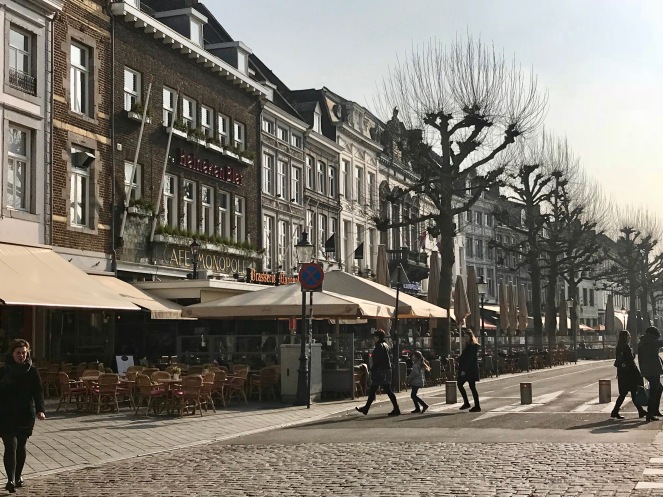
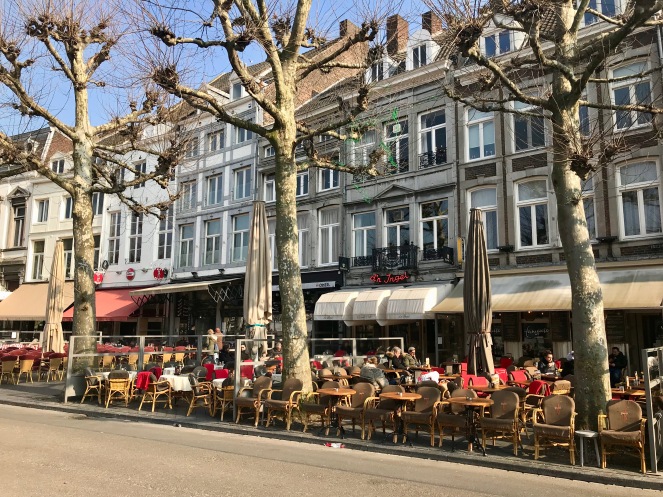
As mentioned previously, the rich and diverse culture in Maastricht means a rich and diverse selection of food. Known as the culinary capital of The Netherlands, one can find restaurants and food shops with Dutch, French, German, Belgian, and Portuguese influences. Surrounding Het Vrijthof, one finds a plethora of cafes and restaurants with outdoor seating perfect to sip a coffee, people watch, and have a fantastic bite to eat.

The many cafes surrounding the large public square Het Vrijthof. Maastricht.

MAASTRICHT FOOD |AMAZING DELICATESSENS

While Maastricht offers many amazing restaurants and varied cuisines, it is also home to some incredible delicatessens.  If the weather is cooperating, a really pleasant way to enjoy your lunch is to visit one of the many specialty food stores and take a picnic in the Stadspark Maastricht. 

The 2 delis that peaked our interest were Saveurs Traiteurwinkel Maastricht and Caravela Delicatessen.

Saveurs is a one-stop gourmet heaven. Saveurs offers specialty food, catering, take-out meal prep, and a food truck. Food is prepared daily and they are famous for their meatloaf. Yes, meatloaf made by combining minced Limousin beef and Duroc pork, then hand wrapping the meatoaf in bread paneer from the bakery Bisschopsmolen. It is like a Meatloaf Wellington.

Caravela Delicatessen is another incredible food store specializing in products from Portugal – Portuguese wines and Port, olive oil, piri piri, cheese and my favorite Portuguese treat, pastel de nata. Since I love everything about Portugal, we opted to get our picnic here. And it did not disappoint.

MAASTRICHT TO DO | A SHOPPER’S DELIGHT

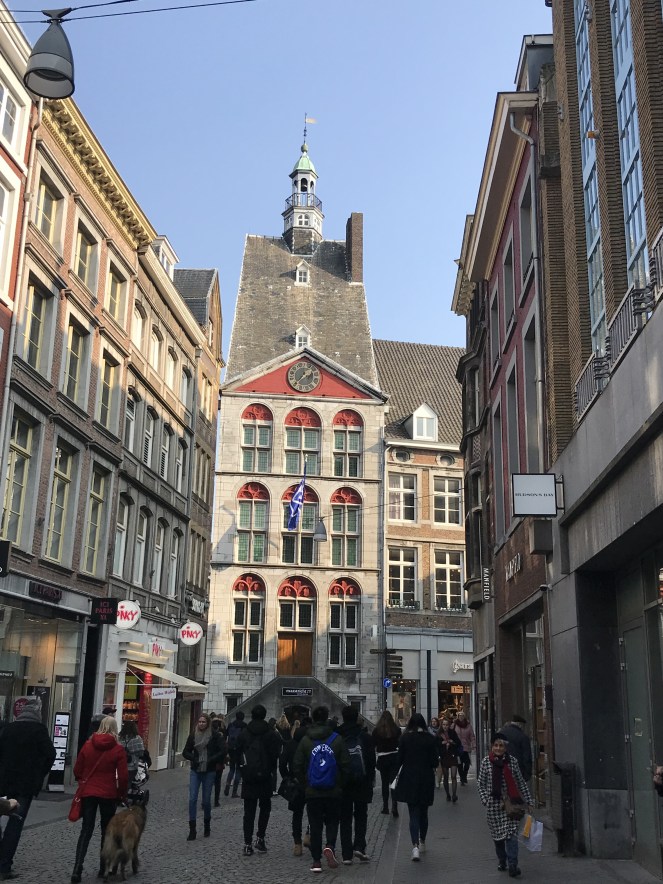
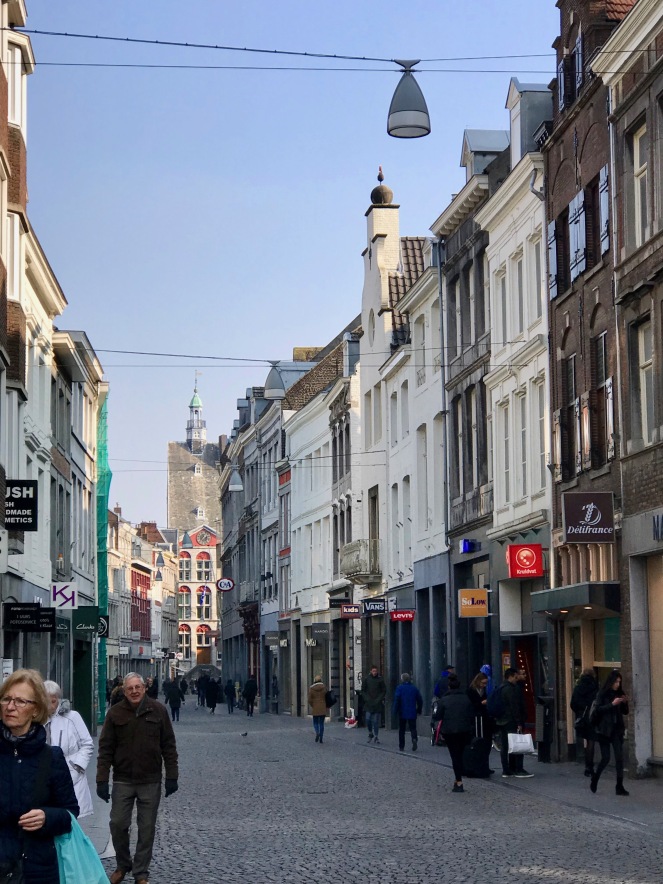
Once you have finished your meal, you can easily walk it off. The town is an architectural delight and walking around is a treat for the eyes. And, there is ample shopping on both sides of the river with lots of interesting, independent boutiques. No matter where you wander, you will be a stone’s throw from shopping heaven. There were so many stores and boutiques on every street that we lost count.

Shopper's Paradise. Maastricht.
Shopper’s Paradise. Maastricht.
Shopper's Paradise. Maastricht.
Shopper’s Paradise. Maastricht.

MAASTRICT TO DO | VISIT THE MOST BEAUTIFUL BOOKSTORE

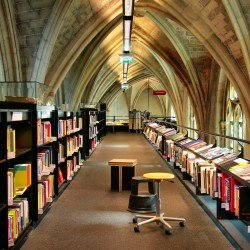
If you are shopping on the western side of the river, be sure to stop by the Dominicanen bookstore. This glorious bookstore is housed in a repurposed,
700 year old church. Over the years the building was utilized for a variety of functions, finally settling on an identity as a bookstore, coffee bar, and event center for lectures, debates, and exhibitions.

Photo credit: http://maastrichttourism.nl

Even if you are not looking for a book, it is worth a visit. The combination of books and cathedral features are stunning. CNN Travel named this bookstore one of the coolest bookstores in the world. 

MAASTRICHT TO DO | REST YOUR BARKING DOGS ON A BOAT CRUISE

If your dogs are barking (an American idiom meaning your feet are tired) rest them while you cruise the Maas River on one of the many boat tours. One can cruise in groups, rent an individual boat, or go on pre-arranged cruises. Prices vary according to the theme and the length of the trip. You can tour the locks, have brunch, a pancake breakfast, a historical tour or an evening cocktail tour. There are options to suit just about every interest and some of the evening options have a different theme each month. Maastricht clearly embraces the river as part of its culture.

Unfortunately, we did not have time to actually take a boat cruise, thus, while I cannot make a recommendation, I can provide you with some basic information on the available tours. The 2 main tour companies are GetMyBoat and Stiphout Tours

MAASTRICHT TOURS | OTHER WAYS TO EXPLORE

If boating is not your thing, not to worry, Maastricht offers many options for touring. One can rent bikes or Segways, take a train, or join a walking tour or architectural tour.

MAASTRICHT TOURS | GO TO HELL

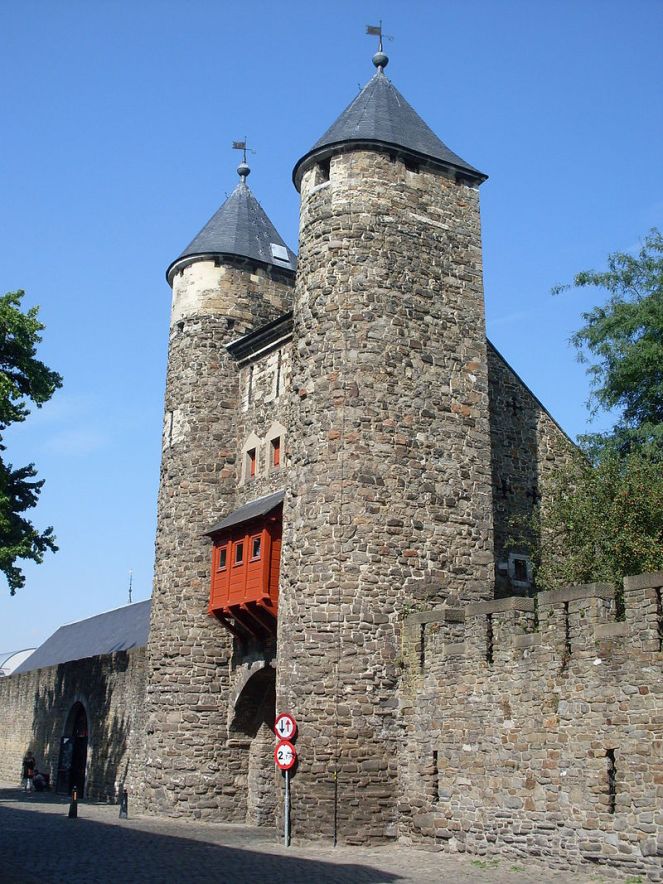
While there is nothing hellish about Maastricht, one can also literally go to Hell’s Gate. Hells Gate or Helpoort is one of the last standing remnants of the medieval city walls constructed in the 1200’s. The gate served as the southern entrance to the city and was so named due to the fact that prisoners were actually locked away in the tower of the gate. Thus, it was the Gate to Hell for the prisoners. 

Helport. Maastrict. Photo credit: http://maastrichttourism.nl

Inside one finds a museum detailing the history of Maastricht with insights into the city’s history as well as its prominence in the region.

MAASTRICHT TOURS | GO UNDERGROUND 

One of the most interesting things about Maastricht to me, was the 80 km of tunnels and caves under the city.

This labyrinth of caves and tunnels have served many important functions vital to the city since their inception. These man-made tunnels were the result of the underground quarrying of stone. The St. Pietersberg caves and tunnels were formed as stones were harvested and used to literally build the city of Maastricht on its shoulders.

The caves and tunnels have also shouldered some heavy historical responsibilities. During WWII, the caves housed Jewish people hiding from the Nazis. Hidden deep inside the damp, dark tunnels, fighting to survive each day, the Jewish inhabitants somehow managed to create a water supply, a bakery and a temple inside the tunnels. Despite the horrors of war, the human spirit survived and made life in the cold dark tunnels as comfortable as they possibly could. While not an ideal living situation, the tunnels saved the lives of many.

The caves and tunnels also saved the most famous Dutch art from man’s folly. On the tour of the tunnels, one can see National Storage Location Number 9 also known as The Kluis. The Kluis, was built at the beginning of WWII to hide the most important Dutch art from destruction and theft. An estimated 800 works of art were housed in the Kluis for over 3 years. Some of the works that were saved include Rembrandt’s Night Watch, Potter’s The Young Bull, and Vermeer’s Little Street. Fascinating stuff.

MAASTRICHT COFFEE CULTURE | GRAB A CUPPA’ JOE 

After all the eating, shopping and touring, it is time for one last coffee. Given this is a university town, there are a plethora of coffee shops to chose from.

The locals will all tell you that a visit to Maastricht must include a coffee at Blache DaelThe oldest coffee house in the province of Limburg, Blache Dael opened in 1878. Their claim to fame is that every day they have a different freshly roasted coffee. 

I would say that the second most talked about coffee shop is Alley Cat & BikesAlley Cat Bikes & Coffee is a coffee bar, a social hub, a creative workspace, and a bicycle repair shop. An important stop for the large student community. They also serve fresh food made from local suppliers.

If you get a chance to visit Maastricht, I hope that you enjoy it as much as we did. Maastricht truly is a food, history, shopping, and architectural paradise. 

Het Vrijthof. Maastricht.
Americans abroad · art · Beauty Essentials · European travel · ex-pat life · ex-pat reality · food · Insider Tips · international travel · Malmö · Malmo Sweden · restaurant · Skåne · Skåne Sweden · Travel

AbSmåland: Where The Unexpected Meets The Traditional

My New Favorite Cafe In Malmö

I went for coffee today with my daughter and discovered my new favorite cafe/store/space in Malmö, Sweden, AbSmåland.

Hard to describe, but oh so inviting, AbSmåland is a “lifestyle concept where the unexpected meets the traditional.” It is a gardening and plant store, a cafe, a furniture store, a home design store, a space for creating and a baby store. It takes up 1450 square meters. It is a big, luscious space. And it smells reeeaally good.

We started in the cafe. AbSmåland’s café is organic and fair trade. And, in my humble opinion, they have the best cardamom roll in Sweden. Unfortunately, as it was not gluten free, I could only have a nibble and appreciate it from afar.

My daughter and I both had pretty decent cappuccinos (after Italy it is hard to be impressed) but the nicest bit was free regular coffee refills. We were there long enough that the lunch crowd starting wandering in. The lunch smells began wafting out of the kitchen. Did I mention that it smells really good in there? The cafe serves soup, salad, and the famous Swedish smörgås (open faced sandwiches).

The Space

After coffee and buns, we wandered around the rest of the space. I read that the space wants to invite creativity and curiosity. As such, throughout the space, there have placed windows, plants and lots of color.  ​

This slideshow requires JavaScript.

They also offer bedding, clothing and baby items for the ever so modern and stylish Swedish babies.

The Workshop

As I was leaving I asked one of the employees what was upstairs. “Go explore and find out” was his response. Challenge accepted. I discovered that the upper floor houses a workshop that offers creative endeavors.

At the workshop one can create: your own textile to upholster the furniture that you purchased downstairs; your own seasonal bouquets with a professional florist as your teacher; macrame baskets; your own hanging garden. The workshop also facilitates sessions with local artists from time to time.

AbSmåland’s website says that their ambition “is to offer an inspiring venue with a creative atmosphere where everyone feels welcome.” I would say that they have succeeded. I, for one,  cannot wait to return.

​You can find AbSmåland at:
Södra Förstadsgatan 25/27
211 43 Malmö
072-248 89 20
hej@absmaland.com