
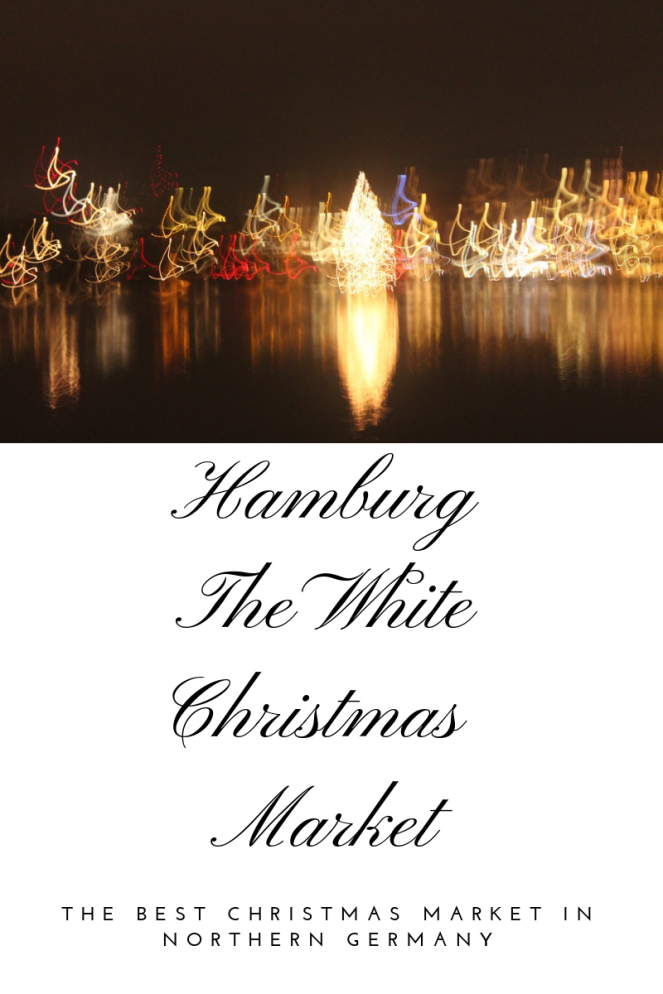
 I love a Christmas market. In fact, I have yet to meet a Christmas market that I didn’t like. I love the vibe, the decorations, the music. I love the bustle and the throngs of people all enjoying the season. And living abroad, I like learning about how each country celebrates the season a little differently. Hamburg’s White Christmas Market is a little different than the rest. It is smaller, set along the water, themed with all white market stalls and quite tranquil in feeling. The reason that I loved Hamburg’s all white Christmas market was that it was peaceful and elegant. I think it is Germany’s most elegant Christmas market. It evoked a feeling of respect for the season. The all white stalls set against Alster Lake were breathtaking. The glow of the white stalls and lights drew us in like moths to a flame.


GERMAN CHRISTMAS | A CELEBRATION OF FOOD
While I cannot profess to be an expert on German Christmas after three days, I can tell you that the predominant feature of every Northern German Christmas market (and we went to no less than 5 in 3 days) was food!
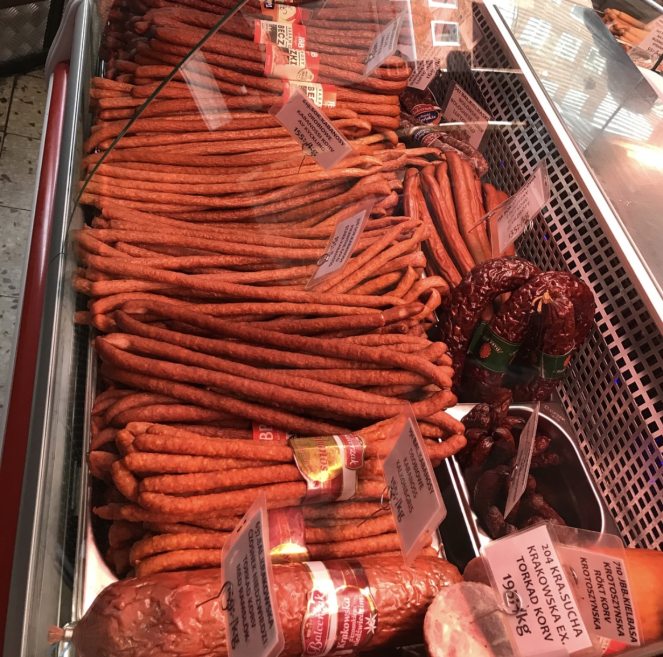
Food, food and more food. We sampled flame broiled bratwurst, grilled sausages, hams, currywurst – a fried or grilled sausage is cut into thick slices and seasoned with spicy ketchup and generous amounts of curry powder (usually served with french fries), fischbrötchen – a fish sandwich served with pickled or fried fish and onions and sauerkraut – fermented cabbage. We also saw big vats of boiled potatoes, sausage in green cabbage. Also for sale were potato pancakes served with applesauce.


GERMAN CHRISTMAS | A CELEBRATION OF SWEETS!!
After your main meal, one finds a vast array of desserts to satisfy your sweet tooth. My favorite was fried dough sprinkled with powdered sugar (called muzen in Lübeck and schmalzkuchen in Hamburg). We also tried marshmallow cremes dipped in chocolate (schaumkuss) which were surprisingly delicious as I am not a marshmallow fan usually. These marshmallowy treats were not as sugary as their cousins in America. There were also lots of mini pancakes (profferjes) filed with your choice of Nutella, butter, sugar, marzipan, apples, mint, cherries, Grand Marnier, Baileys, Cointreau, Amaretto, vanilla to name a few. We didn’t try those and I wish we had, especially with some Grand Marnier. Next time!! Northern Germany is also famous for marzipan in every shape, color and form that you can imagine and these large gingerbread cookies with various messages of Christmas and other festivities written in hard frosting on them.


GERMAN CHRISTMAS | A CELEBRATION OF WINE
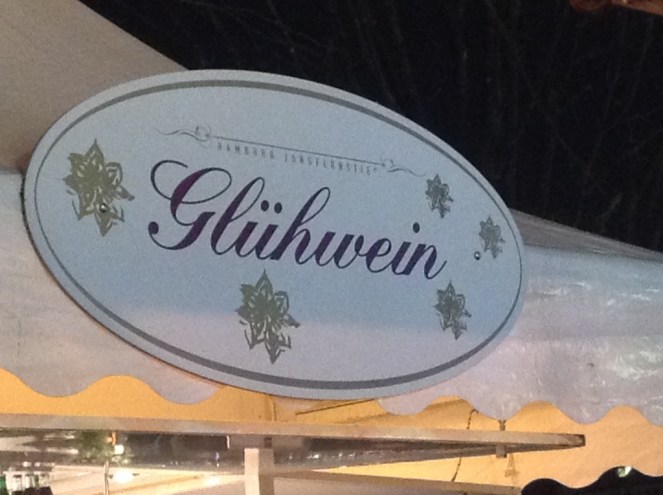
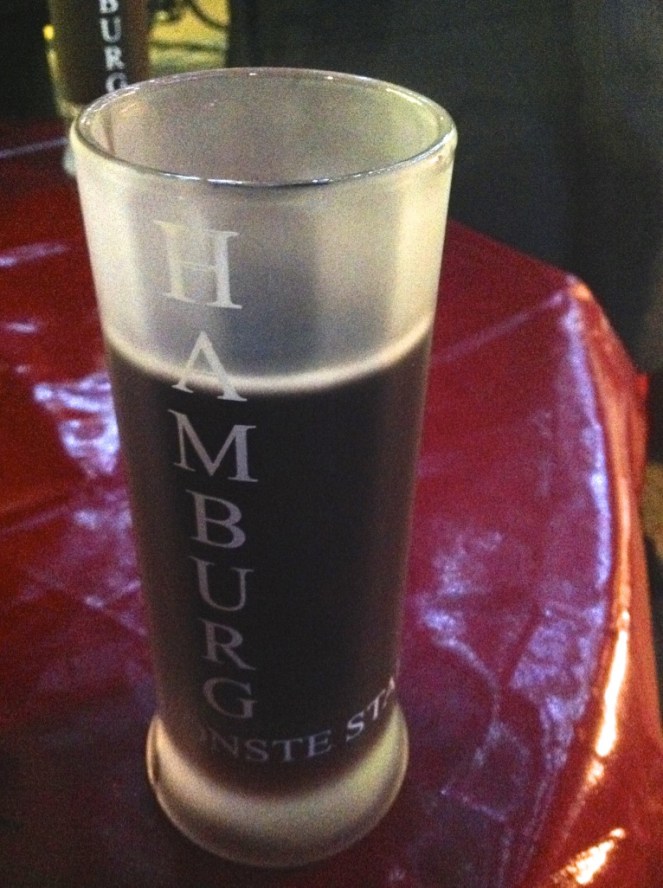
To wash it all down, one can stop at one of the many glühwein (mulled wine) forests constructed all over town. Glühwein is usually prepared with red wine. It is heated with cinnamon sticks, cloves, star anise, citrus, sugar and vanilla beans. It is offered as is or mit schuss (with a shot), which means that rum or some other liquor is added.
GERMAN CHRISTMAS | A CELEBRATION OF DECOR
THE CHRISTMAS STAR
We noticed that the northern Germans also embrace the Christmas star as they do in Sweden, but more often than not, the German star is more three dimensional, resembling a thistle or bur.


THE CHRISTMAS PYRAMID
Another similarity to Swedish Christmas is the German
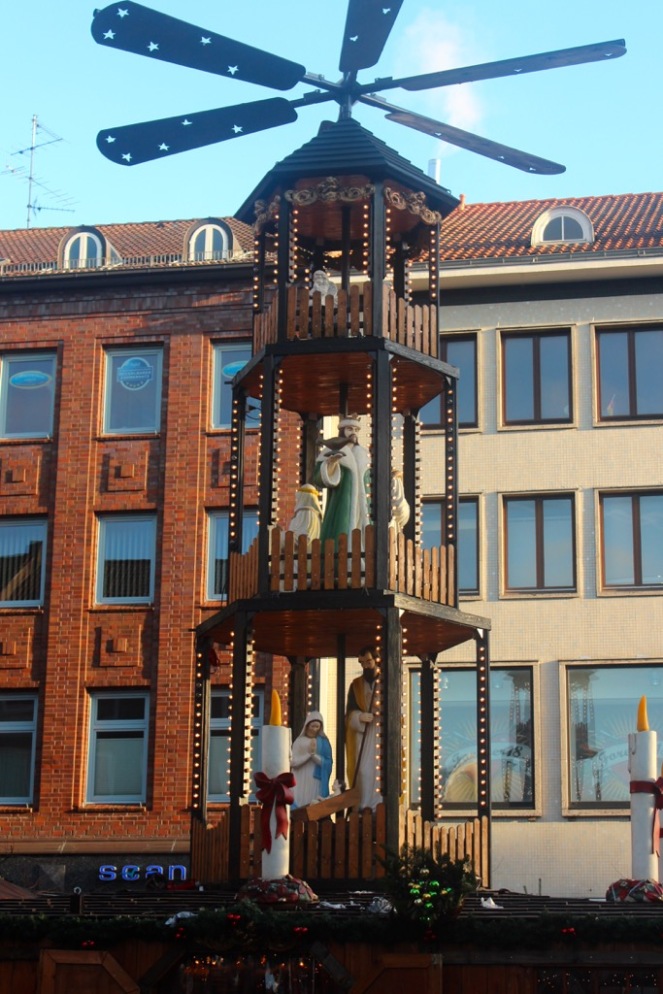
Weihnachtspyramide or the Christmas pyramid which is like the Swedish änglaspel in that the pyramid device works by generating heat from candles to turn the wooden blades. While these beautifully carved wooden pieces look nothing like what I was taught a pyramid looks like, they are called pyramids nonetheless. They reminded me of multi-leveled carousels. All of them depicted a Christmas theme such as the Nativity, angels and the Wise Men. Much larger than their Swedish counterparts, the German versions are often 3 or 4 stories high and made entirely from wood as opposed to brass in Sweden. I was told by one woman in a shop that the German Christmas pyramid predates the Christmas tree. Fascinating!
CHRISTMAS TOWNS
Also wildly popular at every market were these miniature towns – very intricate miniature wooden carved people, houses, animals, trees – entire villages really complete with town halls and churches.


CHRISTMAS GNOMES
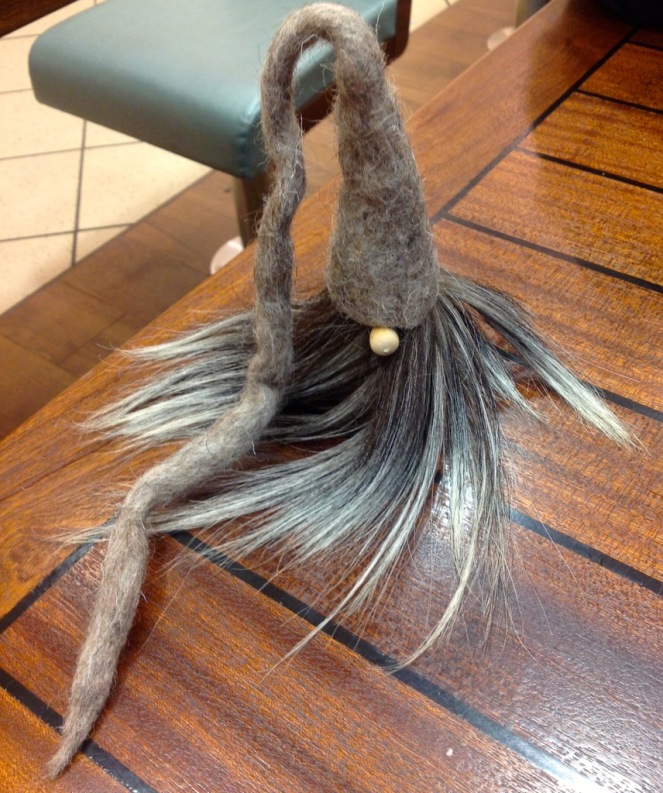
There also seems to be a German version of tomte, the Swedish elves that I have fallen in love with. Tomte are known to help you with your housework over the year if you leave them some porridge on Christmas Eve. Unfortunately, I did not get an accurate name or story for their German relatives – the gentleman and I were trying our best to communicate across the language chasm. I did buy one and much to my daughter’s horror, I think his hair is real animal hair. I love him and think he is adorable. Lena is creeped out by his hair. I only hope that bringing him into the house will not piss off the tomte in our basement as I am serious about wanting that help with the housework.
Frohe Weihnachten jeder! Buon Natale! God Jul! Merry Christmas!


 Niche Travel Design