Looking for a place to unwind, recharge, and commune with nature, but still want the comforts of a bed, a down comforter, and a gourmet meal? Look no further than The Glass Cabins at Baldersnäs Herrgård.
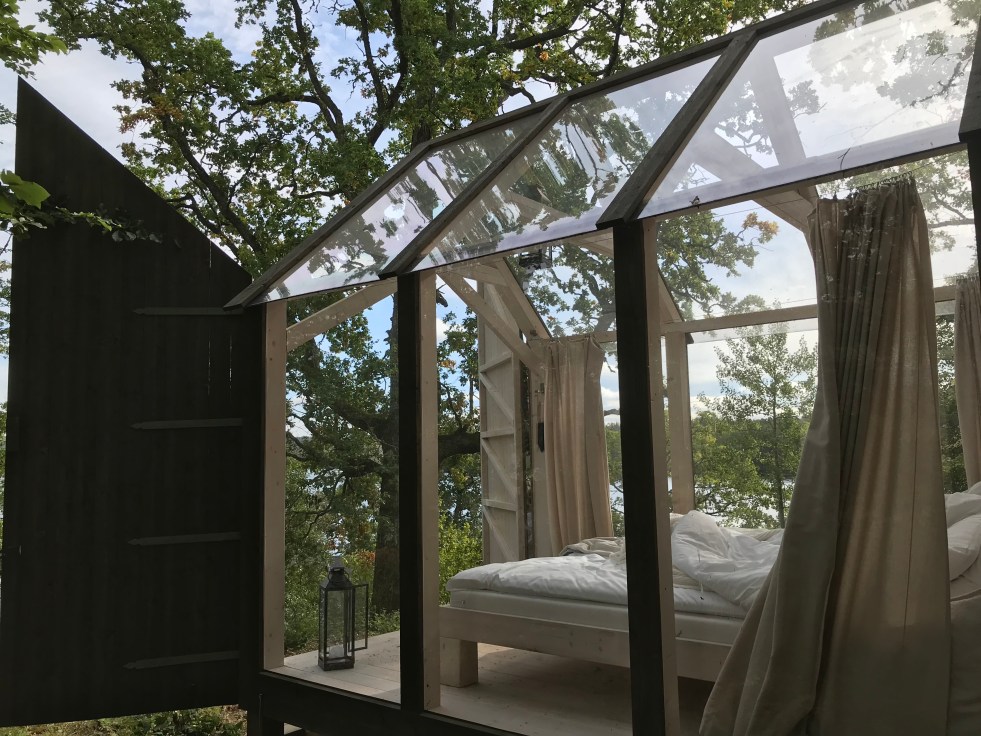
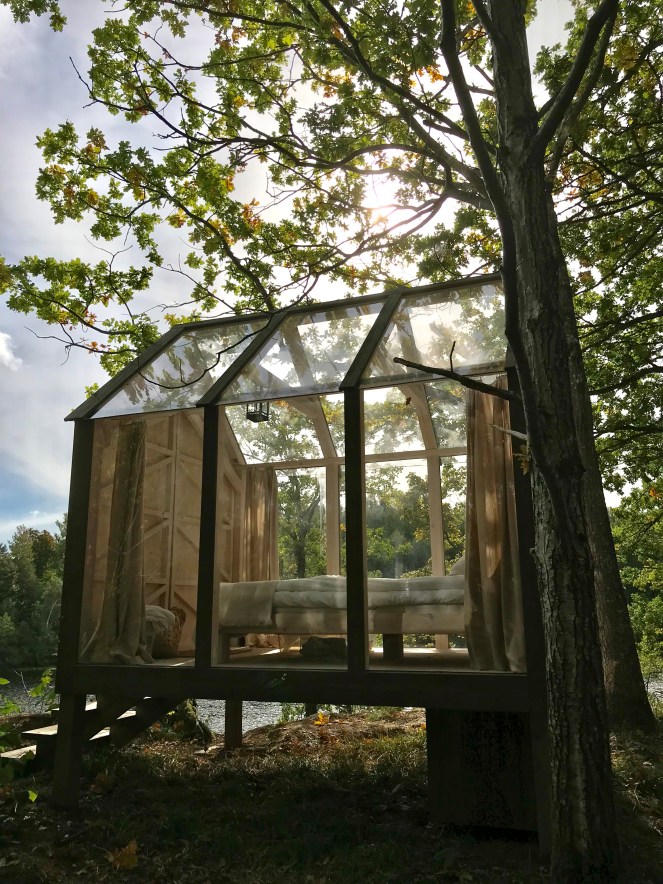
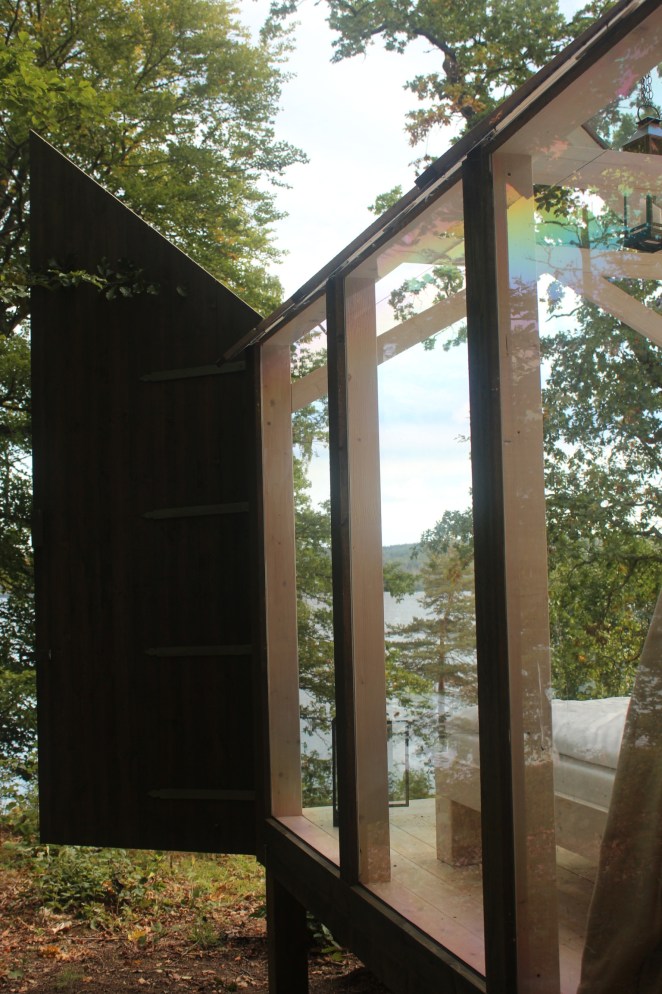
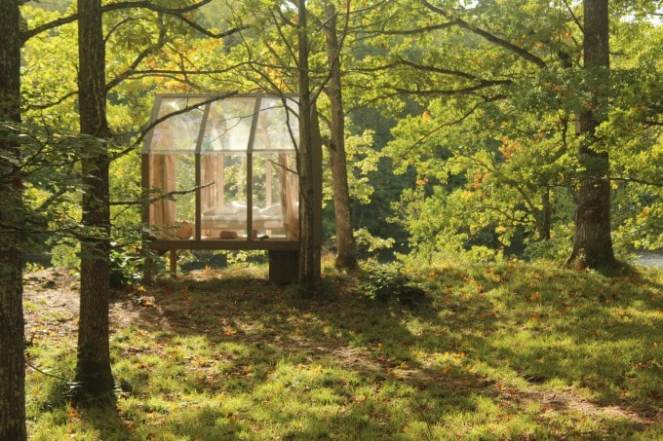
Sunlight peeking through. The Glass Cabins at Baldersnäs Herrgård
THE SECRET TO HAPPINESS
Sweden is often rated as one of the happiest countries in the world. Living a balanced life between work and play is a key factor in that rating. And part of living a balanced life in Sweden has to do with making nature a part of your life. Swedish people love, and appreciate nature. Swedes like to be outside biking, walking, skating, hiking or camping. This connectedness to nature is a significant part of Swedish culture.
This connection to nature is so significant to the Swedish way of life, that in 2017, Swedish researchers decided to try to measure the precise effects of nature on a person’s happiness and health.
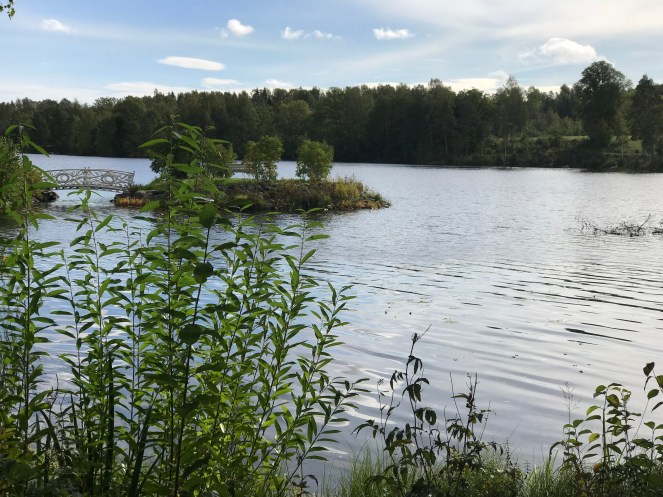
Lake view from the Glass Cabin at Baldersnäs Manor.
THE 72 HOUR CABINS
The Glass Cabins (also known as the 72 Hour Cabins), were the brainchild of two researchers in the field of stress management. Walter Osika and Cecilia Stenfors developed a program were they brought together 5 people from different backgrounds, different countries and different stressful jobs. The idea was to place the individuals from all walks of life into nature for 72 hours.
For 3 days, or 72 hours, the subjects lived in cabins made of glass. The subjects unplugged their technology and engaged in simple outdoor activities, such as skipping stones on the lake, hiking, swimming, fishing and cooking over a fire. The purpose of the glass cabins was twofold – the researchers wanted people to be comfortable enough to relax, but they also wanted to make sure that nature was always present. The comfortable beds inside cabins with glass walls allowed participants to sleep under the stars and wake to the natural rhythms of the Earth.
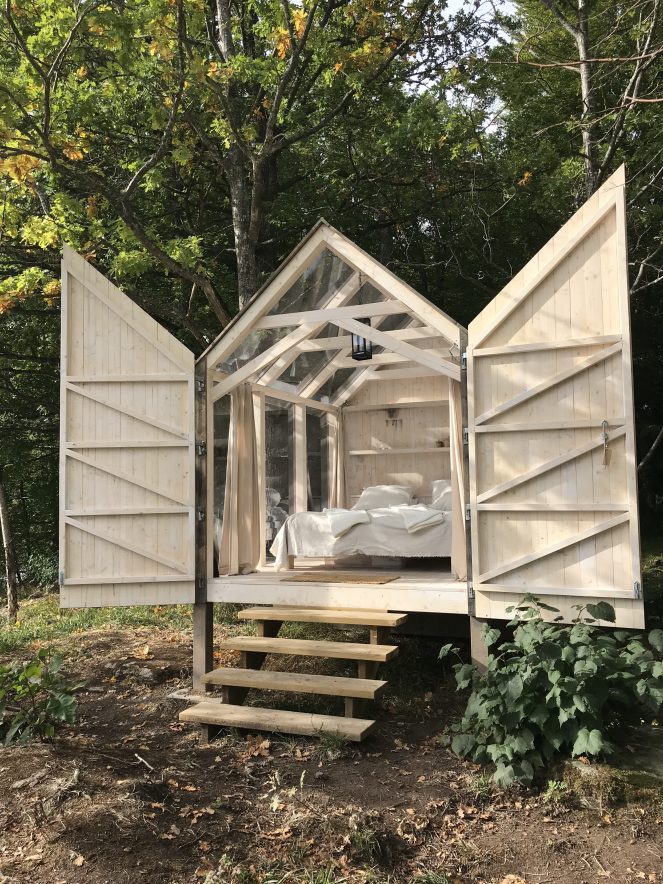
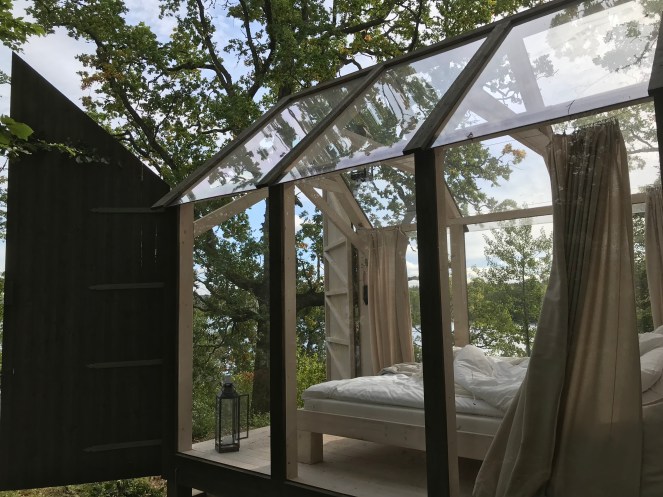
The Glass Cabin inviting nature inside
Nature from all angles
THE RESULTS
Good news! All 5 participants in the 72 hour study demonstrated a decrease in anxiety, blood pressure and heart rates. They relaxed. They de-stressed. Participants reported a better overall sense of well being and peacefulness. Those results alone would be sufficient to render the experiment a success, but in addition, participants also reported an increased feeling of creativity and improved problem-solving.
Incredible right? What fantastic news. It only takes 3 days for each us to become healthier and happier. With a simple prescription of some nature in your life, you too, can reduce stress and find more joy.
I had to see the cabins for myself.
The Glass Cabin
DALSLAND, SWEDEN
I headed up to Dalsland in western Sweden to the Glass Cabins located on the Baldersnäs Herrgård country estate in Dals Långed.
I was met by the lovely and charming, Susanne Björk Jensen who showed me around the estate and then gave me a tour of these amazing, innovative glass cabins.
Baldersnäs Herrgård is a beautiful country estate from the turn of the century that has been transformed into a luxury hotel. It sits on a peninsula surrounded by nature’s bounty.
Lake Låxsjön
The estate sits adjacent to a nature preserve where The Glass Cabins are located.
The first cabin sits on a small bluff overlooking Lake Låxsjön. The first cabin is a quick jaunt from the country estate offering an easy journey up for a gourmet meal, a massage or a delicious cup of morning coffee in the English garden.
The cabin has many lovely large trees and offers a sweeping view of the lake. My tour guide, Susanne spoke of waking up there with a mist on the lake, the sounds of birds greeting the dawn, a hint of sunlight peeking up from behind the forest trees. It sounded like a little slice of heaven.
Lake view from the Glass Cabin
The property and nature preserve are both spectacular and the cabins ease gently into the landscape. The cabins are inviting with simple decor and muted soft colors. The simplicity evokes a Zen like feeling. Very inviting. Very relaxing. I wanted to jump right in the bed and take a nap. Curtains are provided along the glass walls to allow for privacy. Even with the curtains pulled, however, the glass ceiling still allows nature to envelope you.
The Glass Cabin. Interior.The Glass Cabin. Interior
The second cabin is approximately 200 meters away and sits atop a small hill surrounded by trees. The second cabin was more secluded than the first cabin, yet it too sported a lovely view of Lake Låxsjön. The second glass cabin also has the added bonus of being steps away from the sauna on the lake.
Lakeside sauna. Baldersnäs Manor.The Glass Cabins at Baldersnäs Herrgård
The original glass cabins used in the experiment are located on a private island of Henriksholm, in south-east Dalsland. These glass cabins are remote, accessible by boat and should be booked well in advance.
A second set of glass cabins can be found in the center of Dalsland region near Lake Iväg. Those cabins must be booked through Dalsland Activities.
The reason I like the glass cabins at Baldersnäs Manor is that in addition to unplugging and unwinding by inviting nature into your room, one can also relax by golfing, taking a yoga class, enjoying a massage and/or partaking in a gourmet food and wine experience featuring local foods.
The Glass Cabins are just a 2 hour drive from Gothenburg.
The Glass cabins at Baldersnäs Manor can be booked by contacting;
One of my favorite escapes when the sun comes out is to ride my bike down to the Limhamn harbor. This California girl needs her sun, sea and sand. Fortunately, there is a wonderful restaurant where I can go and feel slightly like I am at home, Restaurang Kajutan.
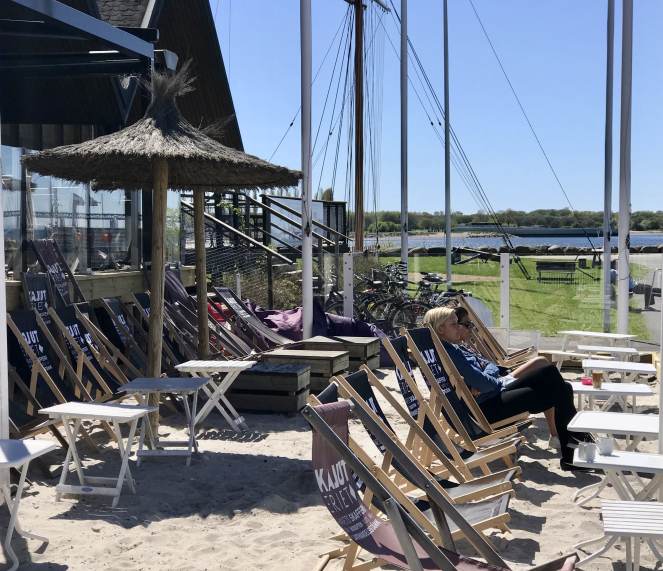
Restaurang Kajutan offers views of the Öresund Bridge, boats, and even has its own sandy beach lounge complete with beach chairs.
Restaurang Kajutan. Limhamn, Sweden.
Beach. Restaurang Kajutan. Limhamn, Sweden.
Öresund Bridge from Restaurang Kajutan. Limhamn, Sweden.
Restaurang Kajutan. Limhamn, Sweden.
The restaurant has 2 bars – one to serve the outside beach area and another inside. They have a full bar and an impressive wine list.
Restaurang Kajutan. Limhamn, Sweden.
Beach Bar. Restaurang Kajutan. Limhamn, Sweden.
Bar. Restaurang Kajutan. Limhamn, Sweden.
Restaurang Kajutan. Limhamn, Sweden.
Bar. Restaurang Kajutan. Limhamn, Sweden.
Beach Bar. Restaurang Kajutan. Limhamn, Sweden.
The food is really good too. They have a menu that offers both seafood and meat. The lunch menu is a great value. The Caeser Salad with chicken is a really good size, and comes with a lot of chicken and a lot of bacon. Paired with a nice white wine and I am one happy camper.
Restaurang Kajutan. Limhamn, Sweden.
Restaurang Kajutan. Limhamn, Sweden.
Restaurang Kajutan. Limhamn, Sweden.
Restaurang Kajutan. Limhamn, Sweden.
Restaurang Kajutan. Limhamn, Sweden.
So if you are looking for a place to enjoy some sun, sea air and unwind, head to Kajutan, grab a beach chair, order some lunch and a cocktail.
Beach. Restaurang Kajutan. Limhamn, Sweden.
Kajutan can be found at Bryggövägen in Limhamn, Sweden.
I went for coffee today with my daughter and discovered my new favorite cafe/store/space in Malmö, Sweden, AbSmåland.
Hard to describe, but oh so inviting, AbSmåland is a “lifestyle concept where the unexpected meets the traditional.” It is a gardening and plant store, a cafe, a furniture store, a home design store, a space for creating and a baby store. It takes up 1450 square meters. It is a big, luscious space. And it smells reeeaally good.
We started in the cafe. AbSmåland’s café is organic and fair trade. And, in my humble opinion, they have the best cardamom roll in Sweden. Unfortunately, as it was not gluten free, I could only have a nibble and appreciate it from afar.
The perfect cappuccino
My daughter and I both had pretty decent cappuccinos (after Italy it is hard to be impressed) but the nicest bit was free regular coffee refills. We were there long enough that the lunch crowd starting wandering in. The lunch smells began wafting out of the kitchen. Did I mention that it smells really good in there? The cafe serves soup, salad, and the famous Swedish smörgås (open faced sandwiches).
The Space
After coffee and buns, we wandered around the rest of the space. I read that the space wants to invite creativity and curiosity. As such, throughout the space, there have placed windows, plants and lots of color.
This slideshow requires JavaScript.
They also offer bedding, clothing and baby items for the ever so modern and stylish Swedish babies.
AbSmåland | Stuffed Lion
AbSmåland | Swedish Bunny
The Workshop
As I was leaving I asked one of the employees what was upstairs. “Go explore and find out” was his response. Challenge accepted. I discovered that the upper floor houses a workshop that offers creative endeavors.
At the workshop one can create: your own textile to upholster the furniture that you purchased downstairs; your own seasonal bouquets with a professional florist as your teacher; macrame baskets; your own hanging garden. The workshop also facilitates sessions with local artists from time to time. AbSmåland’s website says that their ambition “is to offer an inspiring venue with a creative atmosphere where everyone feels welcome.” I would say that they have succeeded. I, for one, cannot wait to return.
You can find AbSmåland at: Södra Förstadsgatan 25/27 211 43 Malmö 072-248 89 20 hej@absmaland.com
This past February the “Beast From The East“ descended upon Amsterdam just as we arrived to visit. It was cold. Really cold. In fact, it was miserable walking around the city and bikes seemed like it would only make it worse as we would have to cut through the cold wind.
So what to do Amsterdam when it is colder than a Polar Bear’s toenails outside?
Head inside. Thankfully, my daughter loves art and plans on studying art history, so off we went to the Van Gough Museum. The next day there was a discussion of going to the Rijksmuseum. I opted out. No offense to anyone, but Dutch Masters aren’t my favorite period of art and I’ve seen it. I said I’d find something else to do. But my mind wandered to the modern building we had seen the day before. Hidden in the shadow of the Rijksmuseum and the Van Gough museum is the Stedeljik.
The Stedelijk is the Goldilocks of museums. It is not too small, not too big. It is just the right size.
The collection is primarily modern art, but it also houses quite a few paintings from other artistic genres. For a medium sized museum we all agreed that it is packed full of great art.
The Stedelijk Building
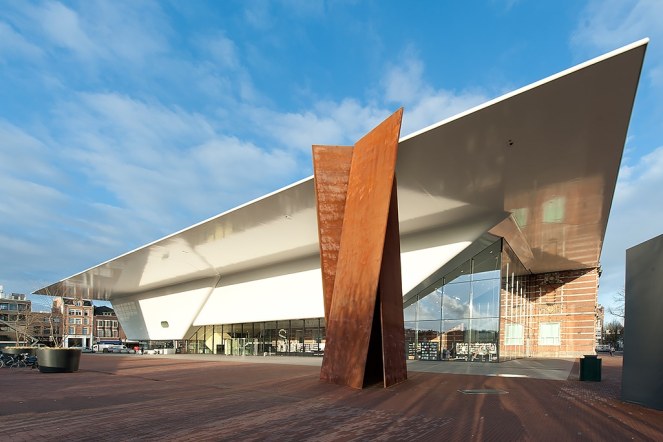
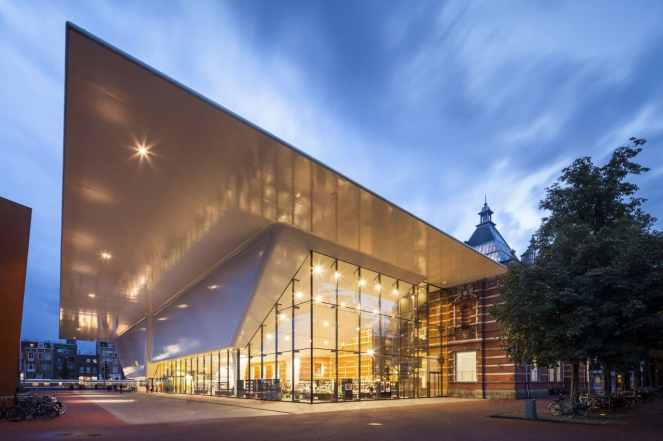
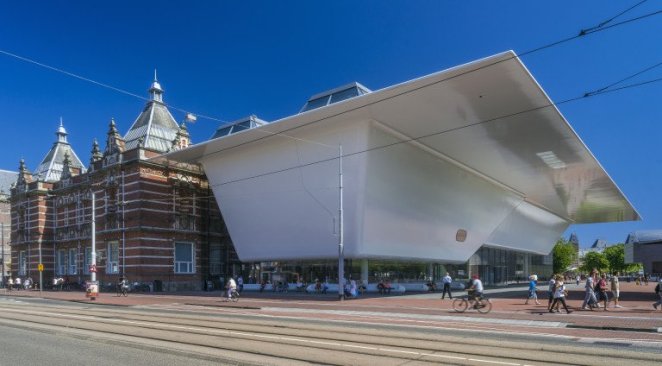
As I mentioned, the Stedelijk can be found tucked behind the Van Gogh Museum and the Rijksmuseums on Museumplein. The Stedelijk is a contemporary art museum and thus, it is fitting that the building itself, a modern glass and steel structure, is a stunning piece of architectural art on its own.
The Stedelijk Museum Amsterdam. Photo credit: http://www.lensvelt.nlThe Stedelijk Museum Amsterdam. Photo credit: ArchDaily by Jannes Linders
The Original Building
The original collection was made up of art and antiques that were donated to the city of Amsterdam by Sophia Augusta Lopez Suasso de Bruyn, a wealthy widow who wished to have a museum opened in her home and in her name upon her passing. Indeed, the Stedelijk was originally called The Suasso Museum and was housed in her home.
Eventually, Madame Suasso’s home was deemed too small and a new building was designed by A.W. Weissman, a local architect. The new museum building designed by Weissman has a neo renaissance façade with several ornate, figurative sculptures. When the new, modern, wing was added many of the flourishes were lost to modernization and renovations. The Stedelijk´s original and main building was constructed between 1891-1895 at Paulus Potterstraat, at the short walking distance from the Rijksmuseum.
The New Building – aka The Bathtub
Stedelijk Museum. Photo John Lewis Marshall
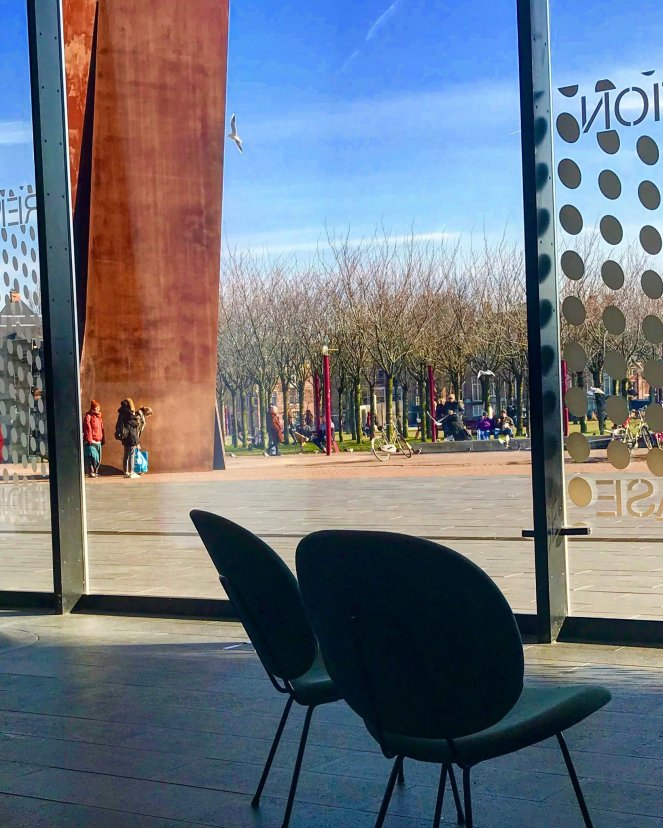
A more modern and more functional building was opened in 2012 after almost a decade of renovations. The modern addition, designed by Dutch architects Adriaan Willem Weissman and Benthem Crouwel Architect, is a pretty sharp contrast in style to the Weismann building. After the unveiling of the new addition, many locals thought that the modern aesthetic clashed with the old Stedelijk building, The Concertgebouw, the Van Gogh Museum and the Rijksmuseum. Essentially, they didn’t think the modern style went well with the other buildings in the neighborhood. Locals took to calling the new addition “the bathtub.” In my opinion, the new building fits its purpose of showcasing contemporary art and, an added bonus, it offers amazing views of the Museumplein. I sat and people watched through those big beautiful windows for 40 minutes as I sipped my coffee, warm and toasty away from the cold. It was lovely.
Overlooking Museumplein
The museum’s purpose has changed many times over the years – going from a private collections of art, collectibles, furniture, and antiques to medical instruments and finally resting on contemporary art and design.
Along with the masters of modern painting genres such as Impressionists, Fauvism, Cubism, Expressionism, the Stedelijk also has a unique collection of furniture, and, photography.
The Collection
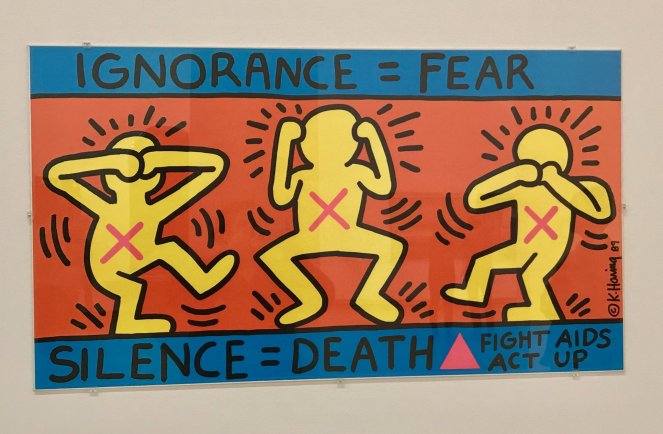
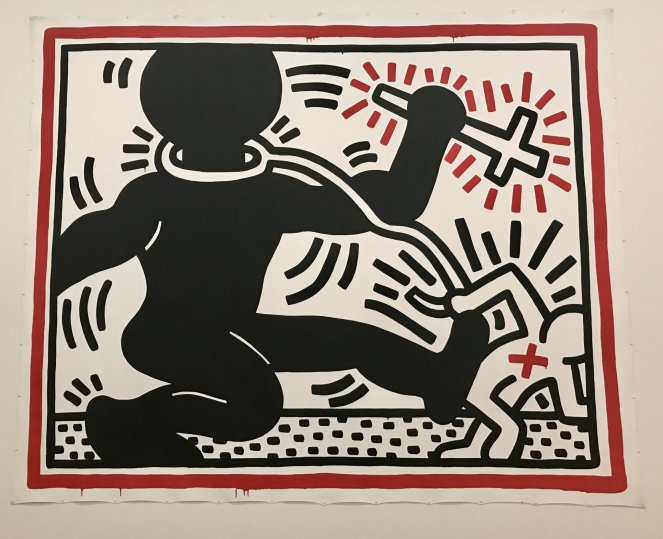
The collection includes modern and contemporary art and design from the early 20th century up to the 21st century and features famed masters such as Vincent, van Gough, Wassily Kandinski, Marc Chagall, Henri Matisse, Jackson Pollack, Andy Warhol, Willem de Kooning, and Keith Haring.
Highlights From The Collection
The Stedelijk has everything from quirky artists previously unknown to me . . .
Martial Raysse and Elaine Sturtevang, installation view The collection, STEDELIJK BASE. Photo: Gert Jan van Rooij
Personnage Hilare (Portrait de Francis Ponge) by Jean Dubuffet. 1947.
Lady Chatterly’s Horse. Bill Copley. 1960.
to the masters of the modern movement . . .
Rosy Fingered Dawn at louise Point. Willem de Kooning. 1963.
Cathedra. Barnett Newman. 1951.
Untitled (Umber Blue). Mark Rothko. 1962.
North Atlantic Light. Willem de Kooning. 1977.
The Water Bull. Jackson Pollack. 1946.
to the masters:
La femme enceinte (Maternité). Marc Chagall. 1913.
La Montagne Sainte-Victoire. Paul Cézanne. 1888.
Odalisque. Henri Matisse. 1921.
Femme nue devant le Jardin. Pablo Picasso. 1956
Le Violoniste. Marc Chagall. 1912 -1913.
Kitchen Gardens on Monmartre. Vincent van Gough. 1887.
Two Surroundings. Wassily Kandinsky. 1934
Femme assise au chapeau en forme de poisson. Pablo Picasso. 1942.
Femme dans un paysage – Anna Boch 1890. Legend has it that Anna Boch was the only person to have purchased apainting from Vincent van Gough while he was alive. This has been dabted but it is the reason that her work hangs next to van Goughs work at The Stedelijk.
La Berceuse (Woman Rocking a Cradle. Vincent van Gough. 1889.
And, The Keith Haring Velum
American artist, Keith Haring, began his career in 1980, drawing graffiti in the New York subway. During a brief, but intense, career that spanned the 1980s, Haring’s work was featured in over 100 solo and group exhibitions. In 1986 alone, he was the subject of more than 40 newspaper and magazine articles.
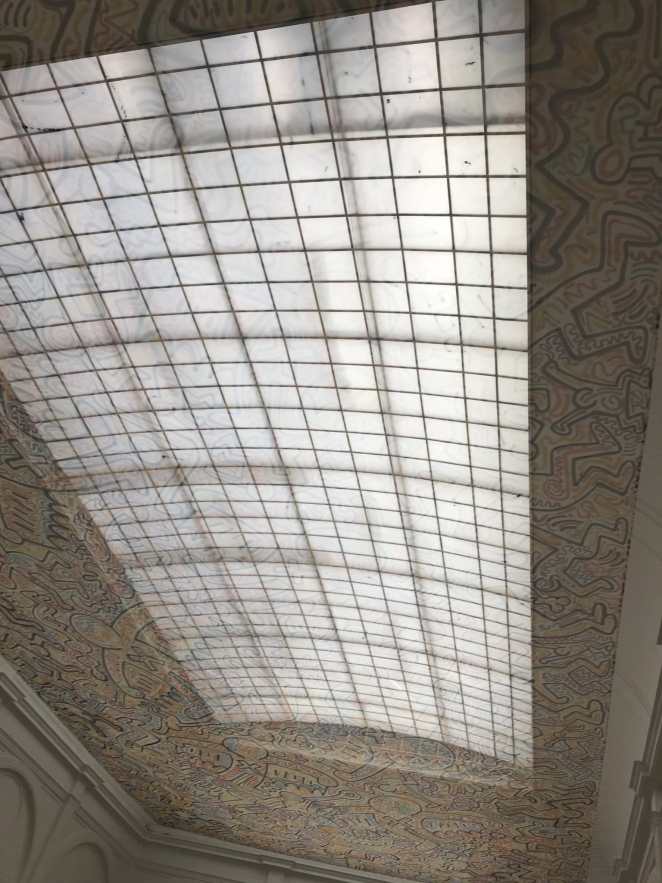
In 1986, at the heigh of his career, Haring agreed to create a special piece for The Stedelijk. From The Stedelijk website: “The American artist painted the canopy, which filters daylight into the grand hallway, especially for his solo exhibition at the Stedelijk in 1986. For this show, Haring didn’t simply want to present artwork he’d already made – he insisted on making new work. Laying out the velum (which measures almost 40 x 66 feet, 12 x 20 meter) on the floor of one of the museum galleries, he painted it in just one day, using spray paint. Haring turned the event into an energy-fueled performance: while photographers and journalists looked on, he painted rapidly and rhythmically, moving over the canopy, hip-hop playing in the background. He filled the canopy with dancing, waving figures, crawling babies and squirming animals. Known as the ‘Keith Haring velum’, the painting was stretched below the monumental glass cupola above the historic staircase. The painting was an instant hit. Now, more than thirty years later and restored, the velum is back for everyone to enjoy.”
The photos do not do the velum justice. It was beautiful in person with the light slipping through and contrasting the parts untouched by sun.
Keith Haring. Stedelijk Museum AmsterdamKeith Haring. Stedelijk Museum AmsterdamKeith Haring. Stedelijk Museum AmsterdamThe Keith Haring velum. The Stedelijk Museum, Amsterdam.The Keith Haring velum. The Stedelijk Museum, Amsterdam.
Practicalities
Hours: Monday – Thursday and Saturday and Sunday: 10:00 – 18:00
Friday: 10:00 – 22:00
Address:
Stedelijk Museum
Museumplein 10
1071 DJ Amsterdam
The Netherlands
If you get a chance to visit the Stedelijk, I hope that you enjoy it as much as we did. Maybe because we had not planned on going, in fact none of us had even heard of it, it turned out to be one of those serendipitous moments where things did not go as planned, but we ended up with a lovely surprise.
Italians are a passionate bunch in general, and their passion for life can be triggered on a dime. Amazingly though, they also seem to make up with one another right away. I have seen them yelling and screaming at each other, faces reddened, spittle flying, arms waving and then shake hands and walk away five minutes later. Given this passionate culture, I was eager to attend a football match because one thing that Italians are very passionate about is football, the most popular game in the world. You know, what we Americans call soccer.
Football, The Most Popular Game In The World
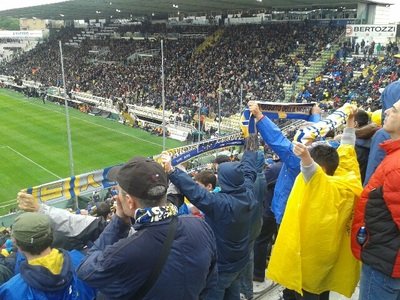
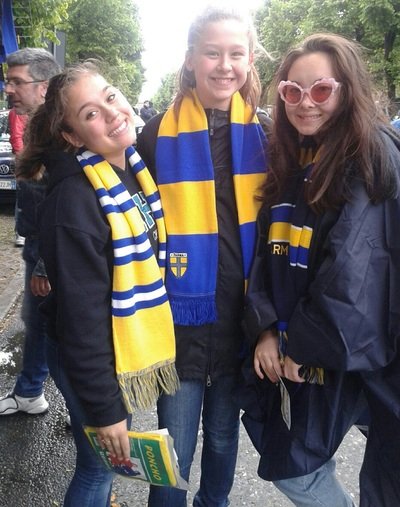
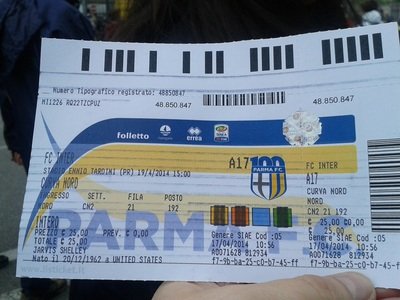
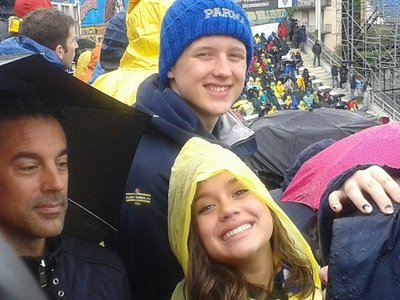
We decided to support our local football team and we went to watch Parma play against Inter Milan. I was a tad nervous because my husband had warned me that when Parma scores the crowd goes a little crazy – their passions are unfurled with yelling, screaming, shoving, running up and down the stands. Joe was actually knocked over at the last game he went to. He was not hurt, but that knowledge made me anxious as neither my daughter, nor I, do well in crowds. I was also anxious because Inter Milan was ranked fifth and Parma was ranked sixth, so tensions were indeed high. Ultimately. my desire to experience Italy to its fullest won out over my fear. We donned our blue and yellow and headed out to the stadium.
Upon arriving, I noticed that there is no alcohol allowed at an Italian soccer game. Now, bear in mind that Italy is a place where one can find a full bar just about everywhere – the park, the movie theater, the shopping mall, the gym. But not at a football stadium. I have to say, that I support this practice. I think it is a wise idea to prohibit alcohol at sporting events where passion and loyalties are on overdrive. One of my dear friends in California is a sweet, gentle guy unless you encounter him at the UCLA/USC football game. Then, he is a rabid dog. Give him some beer at the UCLA/USC game and he is a rabid bear. It may be a good thing for America to follow the Italian example in this case.
Something else that I noticed was that even stone cold sober, Italian fans are INTENSE about, and loyal to, their football team. One of our Italian friends welcomed his second daughter into the world on the morning of the game that we attended, but he still made it to the match that afternoon!
Warning – Foul Language Ahead
The intense loyalty that they feel for their team is most often manifested by hurling insults at the other team. Through the entire game, Parma fans were chanting “Inter, Inter, vaffanculo, vaffanculo!” which literally translates as “Inter, Inter, up your a**,” but is used more as Americans use f^%k you. Imagine half of a stadium chanting “f^%k you!” Here were some of the antics I was hoping to experience.
Italians are a poetic people. They value the poetry of their art, food, fashion and language. Given this love of language, a simple vaffanculo would not suffice and the fans occasionally intermixed the vaffanculo’s with the chanting of an Inter Milan player’s name and then “pezzo di merda.” As in, for example, “Zanetti piece of shit.” They also broke into song once or twice singing along to the tune of Guantanamera but replacing the Guantanamera with “pezzo di merda” and then a player’s name so that the tune went something like this – “♫pezzo di merda. Zanetti, pezzo di merda. ♪♪ peeeezzzzzo di merdaaa, ♫ Zanetti, pezzo di merda.” Again, imagine a huge crowd all swearing together in song. Fascinating and entertaining stuff, I tell you.
The most perplexing expression of loyalty for me, however, was the yelling of “cinesi vai via!” or “non ci sono cinesi in Italia!” This translates as “Chinese go away” and “There are no Chinese in Italy.” As factually incorrect, and as racially insensitive, as these comments were, the funny thing to me is that they were yelling these insults at Inter Milan player Yuto Nagatomo . . . who is Japanese. I swear I saw Nagatomo looking around for the mysterious Chinese guy once or twice.
The final thing that I noticed about Italian football games is that the previously blogged about colpo d’aria – the dreaded hit of air – that Italians feel must be avoided at all times and at all costs for fear of ending up in the hospital – seems to have a waiver for football matches.
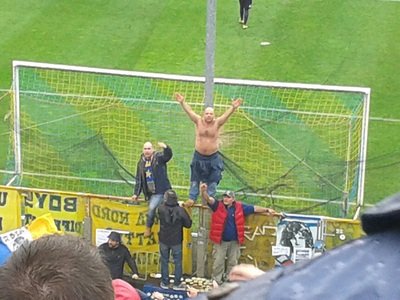
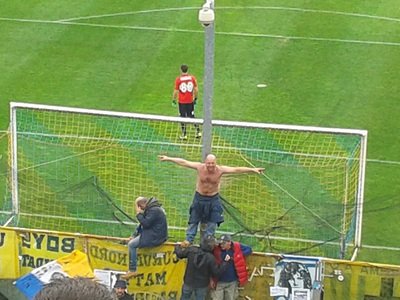
During our game, for example, the weather was rainy and cold and yet scores of fans were without umbrellas or rain gear. And quite a few were without shirts. In the rain! There they were, standing in the freezing rain, getting hit by air for 2+ hours and not a one seemed to be concerned that they were going to end up in the hospital. Once again, questions arise in my American mind about the colpo d’aria malady.
Alas, for Parma fans, despite their best insults and choral talent, Inter Milan won. Parma didn’t score a single goal so I didn’t get to see the post score craze of happy fans that I craved. And despite the racist epithets, Nagatomo dominated the field. But, you know what they say . . . karma is a Japanese Inter Milan player.
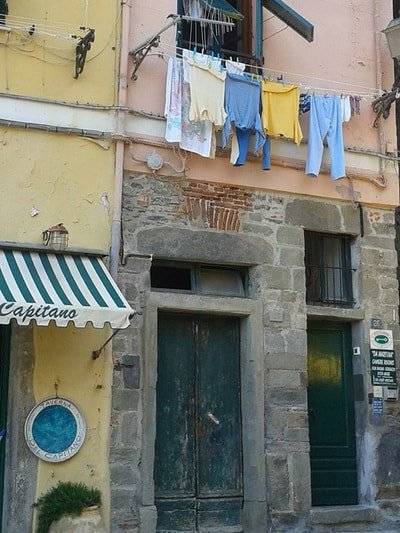
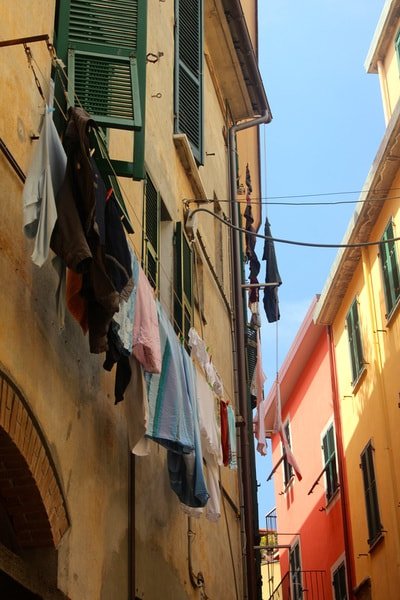
Ok. Each of you Americans out there – I want you to stop what you are doing and go hug your dryer. Personally I never thought about my dryer before moving to Europe. It was just another appliance. There was the occasional story about a family whose house caught on fire due to too much lint in the vent, and I’d stop and think,”how awful” and “what a tragedy” and I would make a mental note to clean out my venting tube. And then I’d forget about it again. Then we moved to Italy.In Italy, most people line dry their laundry. Dryers are available, but we were told they are expensive to run since electricity is costly there. It is not uncommon to see laundry hanging on lines outside apartments and houses. It is also not uncommon to visit a friend’s home and see laundry drying in various places. It is not rude. It is simply a way of life. In fact, it is one of the things that Americans find charming when they visit. It can be beautiful and colorful. It evokes a simpler time. Days gone by.
When we first arrived in Italy and were in temporary housing Joe told me that the washing cycle took about 2 hours. I scoffed. Surely he must not have understood the instructions. Turns out, he understood better than I did. After all, he had been living there for 6 months. The wash cycle at the temporary housing did indeed take 2 hours. Thus, when we were looking for a washing machine to buy, I wanted the largest load capacity that we could find. If it was going to take 2 hours per load I wanted to wash as many things as I could in one cycle. And we found a big one! Unfortunately, it had to be returned. It was too big to fit up our narrow Italian stairs. Eventually, we found one that fit and could run a load in 1 hour. We were making progress. We were fortunate enough to have a large laundry room so we had the space to line dry laundry out of sight. And, there was the environmental impact. I knew that if you line dry your clothes HALF OF THE TIME you will save 1150 pounds of CO2 emissions . . . the work of 23 trees! I felt good about that. Plus, I was in Italy and as they say, “when in Rome” . . . I was committed to line drying.
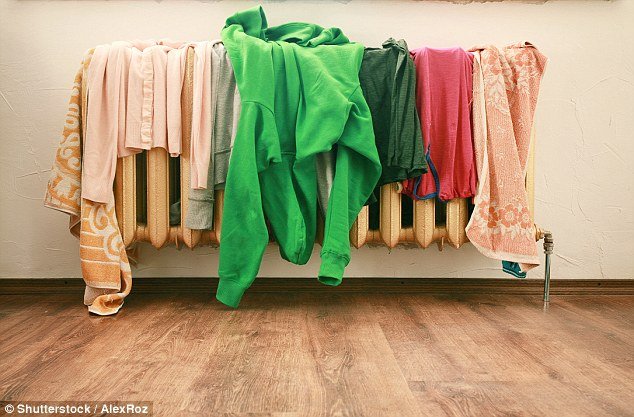
What I didn’t realize is that depending on the season, clothes don’t always dry quickly. And, while the laundry room was large, it had no ventilation. In fact, many times the dampness of the laundry room left the clothes smelling musty and moldy and I would have to wash them all over again. I then had to place towels and jeans strategically on radiators all over the house since they take a particularly long time to dry. And all the other items in the living room in front of an open window – even when it was cold out – letting all the warm air escape. So much for energy efficiency.
In some cases, when you combined the length of time that it took to run a load of laundry, with hanging clothes, the actual drying process, then taking them off the hangers, then folding it and putting it away – one load of laundry would take up to three days from start to finish. I was constantly checking laundry. In the winter, if I had to rewash a load, it would be a 4 – 5 day process for each load. We had a few mishaps. “Mom, I am out of jeans to wear.” Ooops. One cannot magically run a load of laundry and guarantee that they’d be dry overnight. Laundry became a strategy. A lifestyle.
While I did feel good about reducing our carbon footprint by line drying,* I grew weary of the process and the resulting crunchy clothing and towels. Italians have these big industrial sized steam irons they use to soften up crunchy clothes. Yup, they iron their towels, sheets, socks, underwear and jeans to make them soft again. The thing was, I was already spending a significant part of my day, every day, on laundry. I did not want to add steam ironing into the mix. Besides, after using a towel once or twice or wearing your jeans for a day, they soften up . . . a bit.
So anyway, imagine my delight when we moved into our house in Sweden and I went down to the basement and discovered that our rental included a dryer! I ran a load of laundry (30 minutes! Let’s hear it for Swedish efficiency!) and placed it in the dryer.
Now, calling it a dryer is a bit of a misnomer. It doesn’t dry the clothing with heated air producing fluffy warm clothes, towels and sheets. It works by spinning the clothes and wicking the water out into a container at the bottom of the machine. I set it for 90 minutes. I returned 90 minutes later only to realize it had not completed its cycle. The laundry was still soaking wet. I fumbled about trying to figure out why and realized that the machine stops once the container at the bottom is full of water. I emptied the container. The machine started up again. When I checked on it again 30 minutes later, again, the container was full and the cycle had once again stopped. I emptied the container and started the machine again.
This went on for about 3 more hours. I could have taken them out and just line dried them, however, at this point I was in the middle of an experiment. I wanted to find out how long this was going to take.The next morning (yes you heard me correctly) I set it for another 90 minutes. Surely, there could not be enough water left in the clothes to fill the container again. OMG! I was wrong. After 2 more 90 minute cycles including breaks for emptying the water container, the clothes were dry. That particular load took 30 hours start to finish. I guess 30 hours is better than 48 or 72. I don’t know if our dryer is an old crappy one or this is the norm, but I have now resigned myself to line drying the clothes and placing towels and jeans strategically on radiators again. I am back to saving the planet.
And while saving the planet feels good, I have a confession to make . . . truth be told, I miss being able to dry jeans, sweatshirts and towels in a heated wonderland. So my American brethren, heed my tale of woe. Go hug your dryer. Clean its venting tube, its lint trap and wipe down the exterior. Treat it like the appliance it is. And give it a kiss from me.
I live in what one acquaintance referred to as a “ridiculously cute town.” Another friend said it looked like a town from a Disney movie.
It is clean, safe, the schools are excellent, and there are many parks and greenbelts. We have an old fashioned downtown complete with parades featuring kids, dogs and a group of old men who don oversized pants and call themselves the Balloon Brigade.
The weather is damn near perfect and we can get to the beach, the mountains, wine country, rivers, and lakes within a few hours. We are surrounded by nature’s majestic beauty but we are also a mere 40 minutes by public transportation from San Francisco. They even play pleasant Muzak at the gas station. So given all the wonderment that my town offers, I can’t help but wonder why I feel that I am slowly losing my mind living in one of the most pleasant places on Earth?
Loads of people assure me on a regular basis that “this is the best place to live.” They tell me that they do not wish to ever live anywhere else and hope to live here until they die.
I sigh, bite the inside of my cheek, and quiet the voice in my head that wonders why I don’t feel the same way.
I realized that I was losing my mind because suburban bliss was depleting my gypsy sense of adventure. I agree that our town offers many wonderful benefits, but I don’t share the majority view that this is to be my final town, my end of days. My gypsy spirit is waning under the reality of working full time, raising 2 kids and being a wife. While my life is very enjoyable, I am missing the energy that exploration has always provided me. I need to fuel my curiosity.
Living in a perfect place also makes me feel a bit guilty. I feel guilty that I am restless when I have so much. Stronger than the guilt, though, is the belief that I want more than the trappings of perfection for my children’s lives. I want my children to know that the world is made up of countless amazing places, cultures, people, art, food. I want them to see and experience the underbelly of life – the poverty, trash and homelessness that one sees in a city – because if they never see these things, they will not know that these things are problems that our world faces. If they don’t see these things, they will not know humanity and how to face a problem head on. If they don’t see these things, they may not learn compassion. If they don’t see that their suburban world is an anomaly and that most people do not live as they do, then they may not appreciate their own good fortune. I want my children to learn that you don’t have to be afraid of someone or some culture or some religion that is different than theirs. I want them to be citizens of the world.
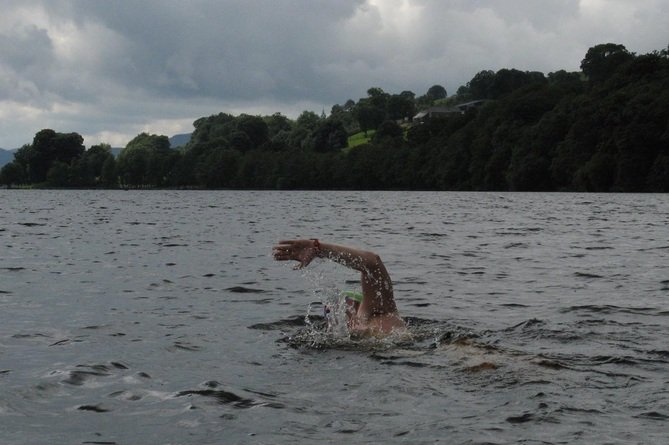
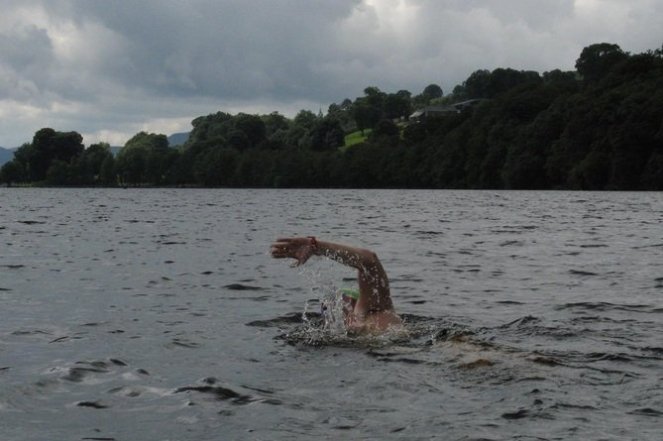
I have been pacing my island of suburban perfection for months. I think it is time for a swim.
June. Summer has arrived and all across America it is time for prom, senior ball, senior ditch day and graduation. High school graduation is a milestone in a young person’s life. 30 some odd years later and I still remember mine.
In the USA students assemble in long dark robes with mortarboard hats on their heads. They are dressed in nice clothes under their robes. Select academic high achievers give speeches about the future. Often a special guest speaker such as a community leader will regale the students with tales of what lies ahead.
American students somberly walk single file on to the stage to be handed their diplomas. Occasionally, a few of the more adventurous students will do something silly during the procession, but in general, the graduation ceremony is a serious affair. While some parents laugh at the students who dare to be silly, most “tsk tsk” because the time for exuberance is after the ceremony. After the ceremony, students move their tassel from the right to the left and then, and only then, they throw their mortarboard hats in the air with “whooo hooos” “whoop whoops” and “yee haws!”
Studenten-The Swedish Graduation Ceremony
Given that this is all I know about graduations, imagine my surprise when I attended a Studenten – the Swedish high school graduation ceremony. Like the USA, Swedish students are dressed up for this important event. Girls wear white dresses and the boys dress in suits. This is where the similarities with America end. In Sweden, high school graduation is a party from beginning to end!
Studentmössa
In addition to their finery, every Swedish graduate wears a white hat called a studentmössa. Typically, the studentmössa is a white cap with a black or dark blue band, and a black peak. It looks like a sailor’s cap to me. I asked many a Swede why the sailor cap. No one was quite sure. The variations on the history of the studentmössa are many. Most agree, however, that in Sweden, the studentmössa was first worn in the mid 1800’s at Uppsala University at a student meeting.
Inside the cap is a lining which varies according to school colors or it may resemble the Swedish flag. Students put their names on the front of the hat. In between the student’s first and last name, there is a gem. There is also a colored band between the white and black part of the hat. The color of the band and gem tells onlookers what program the student is graduating from. Gymnasium or high school in Sweden is a bit different than the USA in that students choose a course of study in high school to either prepare them for a job upon graduation or to prepare them for what they plan to study at university.
Utspringet
The morning of graduation, most friend gather for champagne. Yes, they start drinking first thing in the morning on graduation day.
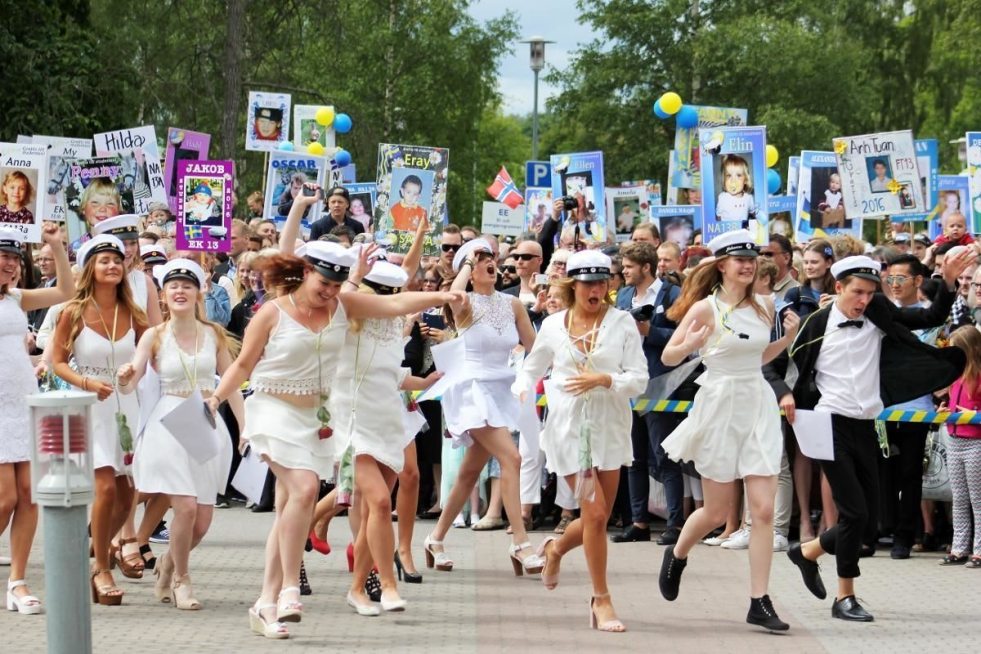
Next, each graduate receives a leaving certificate – like a diploma in the USA. What follows, however, is a joyous running out of school – “utspringet” – with your leaving certificate in hand through a crowd of parents holding placards with the graduates’ baby photos. Some of the parents go for a darling baby photo. Others use an embarrassing photo, but every graduate has one. Each placard has the name of the graduate and with the year and date of the graduation. Most of the placards are decorated with a blue and yellow background representing the national colors of Sweden. Rumor has it that the King and Queen of Sweden participated in utspring for the prince and princesses. That is how important utspringet is.
Utspringet. Photo credit: Tranås Tidning
The graduates run through the crowd and onto a stage where dance music is pumping. The graduates then dance, sing, blow horns, shake noise makers, jump, set off flares and generally have fun. From the evidence on the grounds around the school it seems that a good number of the graduates have fueled their dancing booties with Red Bull and alcohol.
After each group has gone through the run/dance/party on stage portion, they go into the crowd searching for their baby photos and hence, their families. Well wisher don them with necklaces of blue and gold (again, the national colors of Sweden) from which are hanging flowers, teddy bears, champagne bottles and other things that may represent the student’s personality and interests.
Flaket
From there the graduates move to rented flat bed trucks or fancy cars and continue the dance party. The trucks are decorated and are essentially a mobile dance club which drives through town honking their horns and playing music with graduates hanging off the trucks, singing and dancing. You can literally hear them from miles away. And you hear it all day, every day, for about a couple of weeks as different school have different graduation dates. This mobile party seems completely dangerous to me, but what do I know? It happens all over Sweden every year.
After the mobile disco ends you may see graduates running through the more populated parts of town in groups singing, dancing, yelling, blowing horns and whistles and chanting through megaphones. Some members of the group carry boomboxes and they lead the group like the Pied Piper keeping the party going. I was having lunch in a main square the other day and my friend and I could not hear each other over all the noise. Also common are pranks around town – silly things like jumping in public fountains to cool off (and sober up??).
Photo credit: Unknown.
After the truck ride and run through town, the graduates return home to friends and family waiting to celebrate the student with more festivities well into the night.
During the day I ran into my son who was graduating the following year. I said,”Wow, this is so different than America.” Ever after a good time, he replied with a gleam in his eyes and a smile, “I know!” For a long time I have felt guilty that he has missed out on so many of the American high school traditions. I think he is ok with embracing this new tradition though. I’ll take it – let’s hear it for small victories.
I’m not talking about the 1981 Bill Murray comedyor prison garb. I am talking about the recent spate of stripes in fashion. They have taken over Sweden. So much so that I felt compelled to blog about it.
I noticed immediatelyupon moving to Sweden that Swedish folks like stripes, but back then, it was a cute little thing that I noticed. Today, stripes have become the official Swedish summer uniform. There are babies in stripes, mothers and daughters in matching stripes, old people, young people, purses, shoes, shorts, shirts, hoodies.
So. Many. Stripes.
I noticed them in Poland, Germany and the Czech Republic to a small degree (now that my stripe antenna is up), but no where is it more prevalent that Sweden. You cannot walk 2 feet without seeing stripes.
So it left me wondering . . . is this just the latest fashion sweeping the world or is this a Swedish thing??
I asked some Swedish friends and a few shop keepers about it. None of them seemed to know why it is such a popular summer fashion theme here. One women suggested it is because Sweden is a country that has embraced water – the sea, lakes, and rivers. As such, stripes represent the nautical theme of the country. This was just her opinion though. She had no empirical evidence to offer me. I did a little research and found nothing related to Sweden, striped clothes and water.
Now, I know that striped clothing is everywhere. It is not unique to Sweden, but what is different here is the sheer number of people who seemingly overnight start wearing stripes.
How Many Stripes Are There?
Just to give you an idea of how many stripes there are in Sweden, the following pictures were taken while walking around Stockholm in a 30 minute period. 30 minutes!! And I have about 60 more photos that I didn’t include. I apologize for the quality – I was on the move.
In Sweden you will see royal blue and white combos:
The black and white :
The grey and white combination:
And red and white, red and other and just other:
The most popular choice, however, is the navy and white combination:
A little more digging and I discovered that the classic navy blue and white striped motif actually originated on the coast of Brittany in France. Many a French seaman was given a striped shirt bearing 21 horizontal stripes (one strip for each of Napoleon’s victories) as a uniform, known as a matelotor marinière. It is reported that the stripes were functional and allowed sailors to see shipmates that had fallen overboard. How this fashion statement moved from Brittany around the world is a topic of much debate, but there is no doubt that stripes have earned a top place in the fashion world and are considered a staple of a classic wardrobe.
But back to my premise that stripes go beyond a fashion statement here in Sweden and have morphed into a uniform. I ask you my friends – is this a Swedish thing? Have you noticed a prevalence of stripes in your neck of the woods?? Or is there another common clothing item that you have noticed where you live? Tell me in the comments what you have noticed.
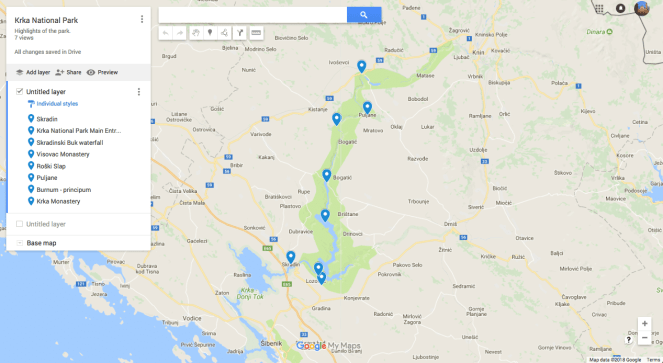
When we visited Croatia we opted to forego the more well known spots like Dubrovnik and Hvar in exchange for visiting Croatia’s many national parks. The biggest concentration of national parks lie in the northern part of the country so we made Dalmatia, namely Zadar, our home base as Zadar was within a few hours drive from each of the parks we wanted to visit. After Plitvice, Krka National Park was next on our Croatian bucket list.
Krka National Park
I will say that in general, when cruising about Croatia and neighboring Bosnia Herzegovina, waterfalls are everywhere. You see them along the side of the road, but a few are standouts and Krka National Park offers 7 waterfalls (buk or slap) in one park.
The Park
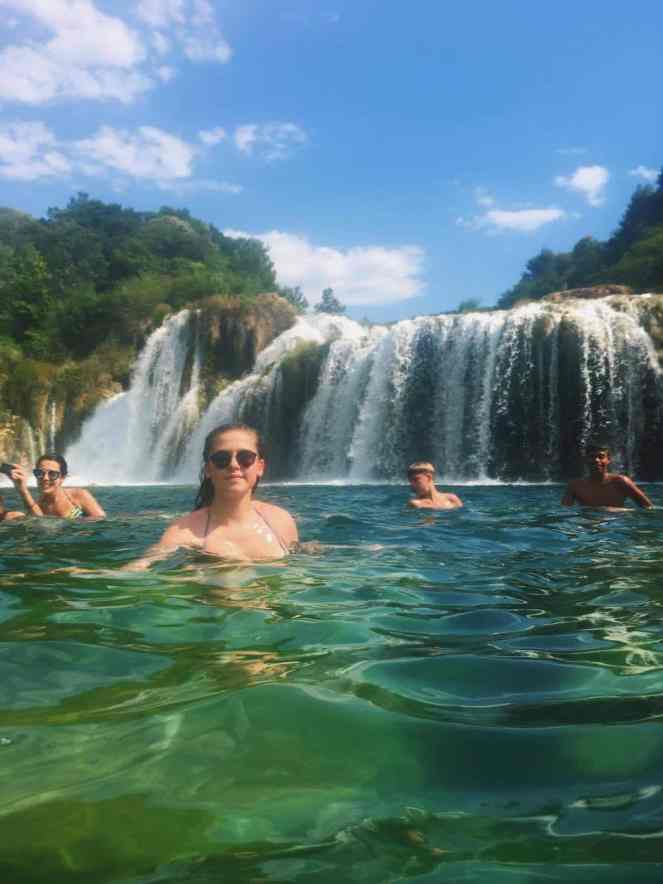
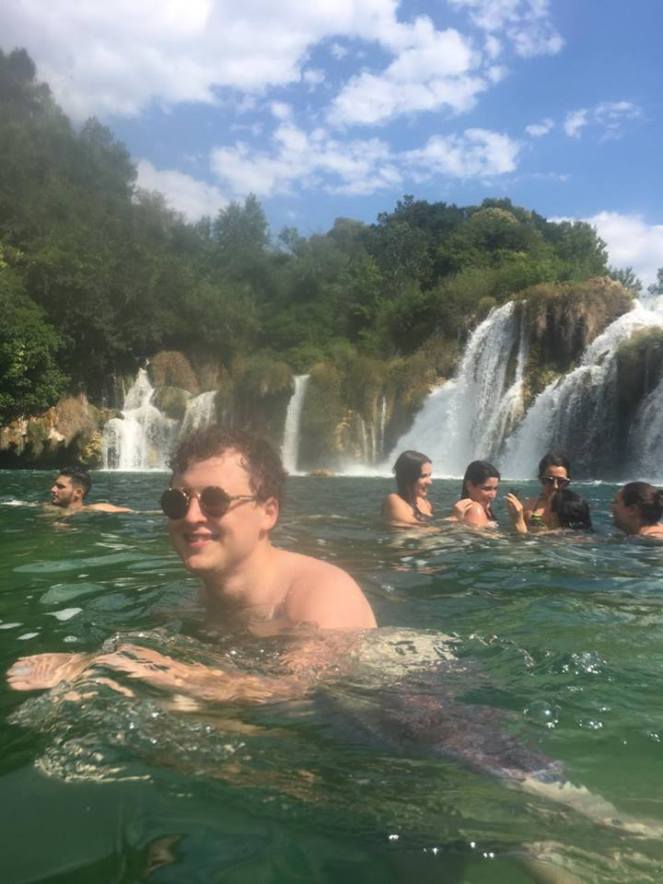
Krka is the second most visited national park in Croatia afterPlitvice with over 1 million visitors each year. Krka has become so popular in recent years that it has begun to limit the number of visitors each day to 10,000. My advice, get there early or book onlineto reserve space. And bring your swim suit, because unlike Plitvice, at Krka, you are allowed to enjoy the cool, refreshing waters. At least for now.
Even prior to being designated a national park in 1985, the area’s splendor was enjoyed for centuries. The highlight of the park is its river and 7 major waterfalls. The Krka River, the source of the all the falls, is over 74 kilometers/46 miles long.
The protected flora and fauna is lush. The park is very clean and you will see fish, various birds, butterflies and dragonflies flitting about.
Within the park, Krka is accessible by a network of planked walkways, hiking trails, cycling trails, roads and boats. One can also add a 5 km/3.1 mile hiking and cycling path from Skradinski Most (Skradin Bridge) to Skradinski buk. Visitors who wish to hike or ride along the trail can purchase their tickets at the reception at Skradinski Most or online.
The park is unique in that in addition to its stunning topography, it also houses 2 monasteries and Roman ruins. Both monasteries, Visovac and the Eastern Orthodox Krka Monastery, date back to the Middle Ages. Burnam, the Roman ruins, date back to 33 BC.
Getting There
From the nearest town along the highway, Šibenik, you will see signs for the park and a specific exit heading to Skradinski Buk.
The road will lead you straight into Lozovac and a large parking area. You will see a ton of tour busses, people, and parking attendants.
After you park, you will find a building where tickets are sold. You cannot miss it. The town is tiny. You will also see a very long line. Leave some of your people in the line and send someone else to get the tickets. The line is for either the bus or the boat (at Skradin) to take you to the falls. As this is one of the most visited sites in Croatia, in high season, the lines can be long so best to have someone saving your spot, while someone else queues for the entrance tickets.
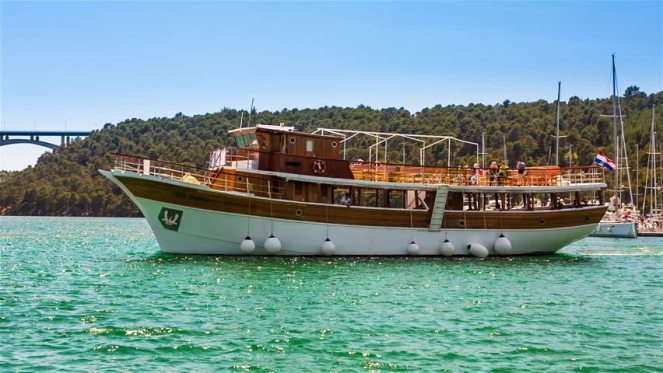
Your entrance ticket includes the bus ride. It does not include the boat ride. As we arrived late, we opted for the bus but I really wanted to take the boat up the river. If you want to take the boats then stop in the town of Skradin to purchase your tickets and catch your boat.
Once the bus or boat lets you off, you have a short walk to the planked walkway around the park on the Skadinski Buk trail. The trail is a 1900 meter/1.1mile long loop leading you around the most amazing spots, rapids, waterfalls and gorgeous flora and fauna. Bring water. The trail is not suitable fo those with limited mobility. The trail is not that difficult in terms of intensity, it is just crowded, hot, and hilly. And there is water on each side of you and no barriers.
INSIDER TIP: If you really just want to swim and see the falls, you can skip the trail and the crowds and walk in the opposite direction of the trail behind a building there are steps which go directly to the falls and lagoon.
Sites In The Park
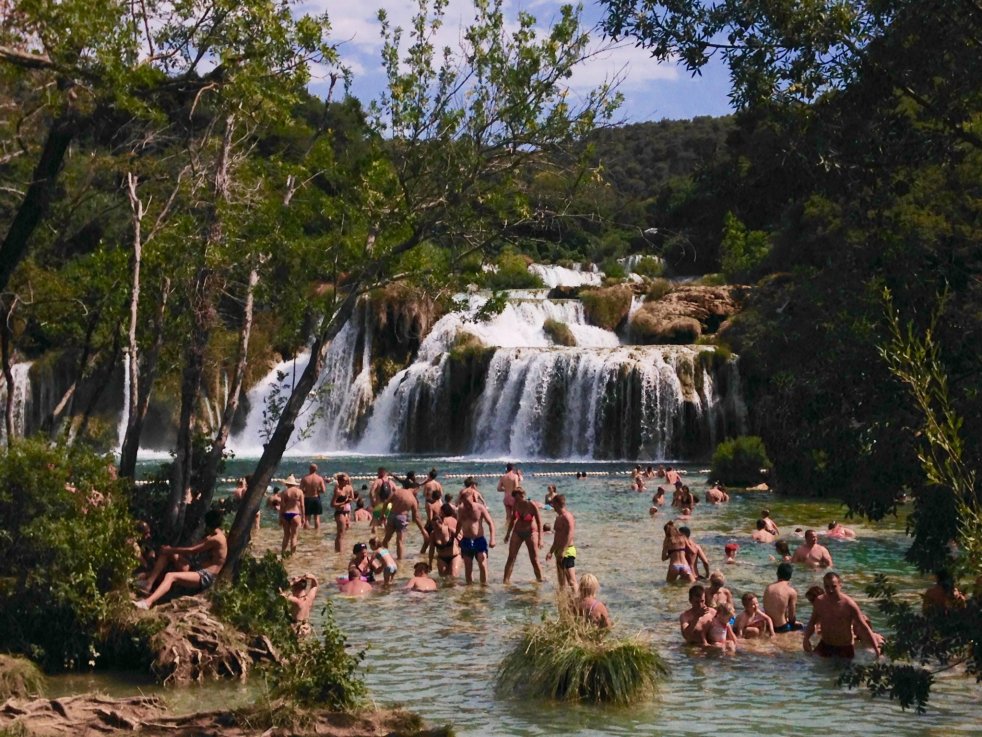
When people talk about Krka, they are usually referring to the famous Skradinski buk also known as Krka’s Blue Lagoon. Skradinski buk and its adjoining lagoon are the falls that you see on all the postcards and in Instagram stories.
Most people do not explore the other parts of the park. I do recommend that if you have the time, you explore the entire park. To see it all properly plan for a minimum of 2 days.
SKRADINSKI BUK
On the way to the famous falls and lagoon, there is plenty to delight your senses.
The crowds move slowly, but that is ok, it means more time to enjoy your surroundings. After about 30 – 40 minutes you will reach Skradinski buk. Skradinski buk is insanely pretty. Again, it is the stuff of postcards and Instagram moments.
And note that Croatia is hot in the summer and the water is cool, refreshing, inviting. We were so hot that once we reached the falls we cold actually feel the cool air. Believe me, all you want to do is get in that water. But first, you have to carve out a spot among the crowds.
The area as you arrive at Skradinski buk is crowded and dusty. There are a lot of people roaming around and unfortunately on the approach side of the lagoon it is difficult to find a spot to leave your belongings where you can see them while swimming. This means that at least one member of your group must stay behind to watch your valuables. If you are traveling solo I suggest asking someone to watch your belongings. You should not leave valuables while you go for a swim with your group. It stinks that you cannot all go in at the same time, but you risk losing all of your belongings if you do.
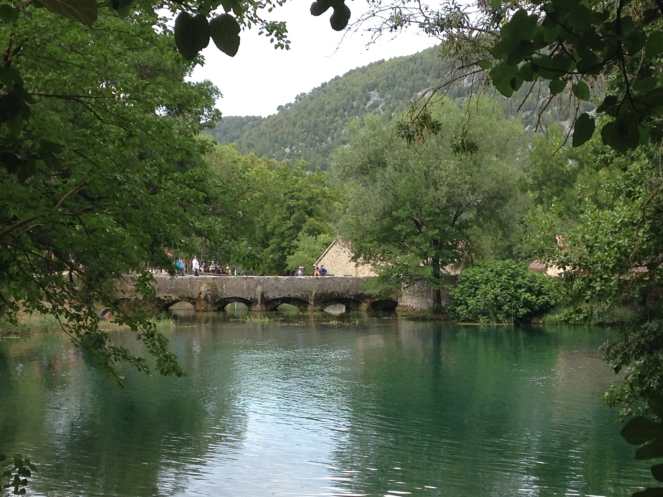
INSIDER TIPS:You will see a bridge where everyone is taking photos. Cross the bridge and on the other side there is a lot more room to carve out your niche and spread out a blanket. The best part, it is in the shade and along the lagoon so you can see your people as they swim in the lagoon and you can take photos.
Also, bring water, water shoes, a blanket, a picnic. They sell all of it there, but you will pay tourist prices.
VISOVAC MONASTERY
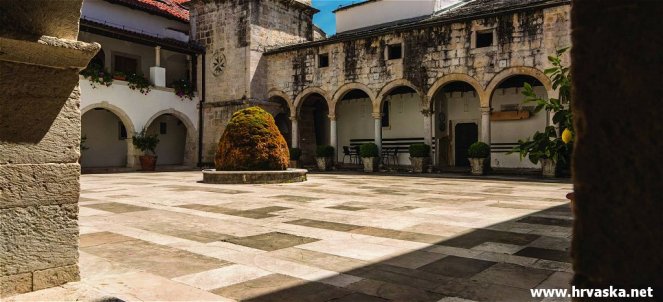
After your swim, you may want to take a boat up river to Visovac Island and monastery. Visovac first welcomed its religious inhabitants in the late 1400’s. At that time Franciscan monks decided the island location was perfect for a hermitage where monks could study in solitude.
By 1576 building of the existing monastery was complete. Over the centuries, the monastery acquired a rich collection of paintings, relics and folk art. The monastery also has a small museum featuring historic church clothes, manuscripts, and rare books, including an illustrated copy of Aesop’s Fables printed in 1487.
Photo credit: hotelroomsearch.com
Visovac is still an active church and the priests who live there maintain a lovely flower garden worth having a look. They also perform mass if you are there on a Sunday. Mass is held at 11am every Sunday all year long.
Visovac Island is only reachable by boat. You can take the excursion boat from Skradin or special monastery mass boats from Brištane on Sundays.
ROŠKI SLAP
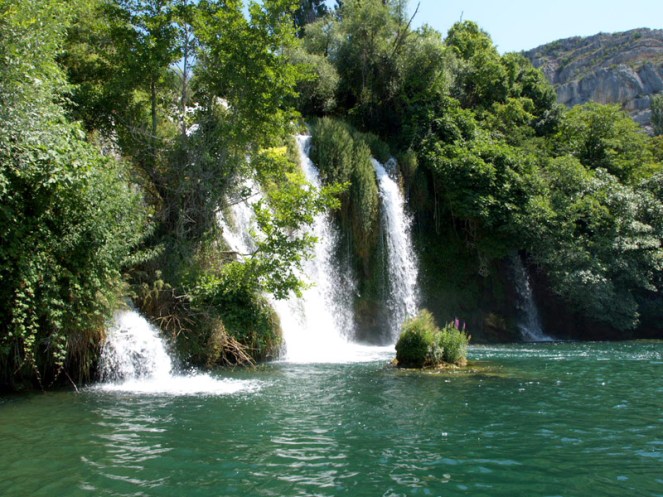
The waterfall Roški slap can be reached by road and by the excursion boats from Skradin. We drove into the park at Roški slap and then made our way down to the famous falls. The drive past Laškovika was stunning.
The natural beauty of Roški slap can be viewed year round.
Photo credit: np-krka.hr
BURNAM
If archeology is your thing, you have 2 sites to visit at Krka. The first, Burnum, was a Roman military camp. The ruins and archaeological site are located above the canyon and waterfalls.
These Roman ruins officially date back to the year 33 BC, but many archeologists believe the site may be even older. Several Roman legions were located there in succession. the spot was chosen for its vital access to the river which was used for transportation. Also, its gorgeous!
Today, one can visit the ancient amphitheater which still holds concerts on special occasions and a smaller museum which holds the artifacts found on site.
The closest entrance to Burnum is at the Puljane enterance and one must take a car to get there.
Photo credit: TotalCroatiaNews.com
Photo credit: np-krka.hr
OZIDANA PEĆINA CAVE
The second archeological site in Krka is the Oziđana Pećina cave. The cave is located near the very top of the canyon, on the left bank of the Krka River, just above the Roški slap. I could not get it to show up on Google Maps, but the park will have information on its exact location and whether it is open to the public or not. Because it is a working archeological site, it may be closed to the public at times.
The site displays artifacts and evidence of human settlement – things like ceramic dishes, stone artifacts, and human and animal bones dating back to the Neolitihic period from about 5000 BC to about 1500 BC. The Hvar and Danilo cultures are featured prominently.
I am claustrophobic, thus, this was not on my list to see even though I’d love to see the artifacts. The cave is 59 m long/7 m wide/2.5 m high tunnel. No thanks.
KRKA MONASTERY
The Krka Monastery is a Serbian Orthodox monastery dating back to the 12th century. The monastery has had several reincarnations over the centuries, but was originally built on top of a Roman site and has catacombs underneath that can be explored.
The monastery is dedicated to the Archangel Michael and is considered the best known example of the Serbian Orthodox Church in Croatia. The monastery is officially protected as a significant historical site.
Like Visovac, Krka Monastery is still in use, thus, visitors are limited to visiting the catacombs and the church in the company of a national park employee. There are also restrictions on what can be photographed. On site there is a tiny souvenir shop which sells religious artifacts and wine made by the priests.
To reach the Krka Monastery you can take a car or the boats from Skradin. When driving, follow the signs to Kistanje. From there you will see additional signs for the monastery. Parking is limited.
INSIDER TIP:After your visit, if you head down toward the falls, you can stop at a newly constructed viewpoint stop for cars offering a different view and perspective of the monastery. Great photo op!
Prices
The park entrance ticket includes access to the entire park, including an expert presentation at Burnum, another presentation at the mills at Skradinski buk, Roški slap and Oziđana Pećina Cave, access to all walking trails in the park, and bus transport from Lozovac to Skradinski buk and return.
Park entrance prices are subject to change so always check the website for the most recent prices.
Boat Prices – The Skradin excursion boats are not included in the price of your park entrance ticket. All visitors must acquire or purchase their tickets in a Krka National Park branch office in Skradin before boarding the boat. Visitors who purchased their tickets online can board the boat directly with their printed ticket or the bar-code on a smart phone.
As with the park entrance ticket, always check the website for the most recent boat prices. Also, your ticket price will vary according to the location within the park that you choose to visit.
Photo credit: Shutterstock
Rules
While swimming is allowed, and is a definite highlight, there are other rules inside Krka that are strictly enforced:
One must not stray from clearly marked bathing areas.
You are not allowed to dive into the swimming area.
You are prohibited from hunting, catching, frightening or disturbing the wild animals.
You must not pick or damage indigenous plants.
You must not break or damage the travertine.
You must not camp or light fires outside of clearly marked areas.
You must dispose of waste in clearly marked garbage bins.
You must not stray from the clearly marked trails.
All dog must be kept on a leash and have a muzzle on at all times. Dogs are not permitted on Visovac Island.
Drones or other unmanned aerial equipment are not allowed in Krka National Park.
As you can see, Krka offers so much more than the one waterfall and lagoon. Skradinski buk is awe inspiring and it seems to stop visitors in their tracks, but it is shame that most people never explore Krka beyond Skradinski buk as there is so much to see and do. If you do visit Krka National Park, I hope that this information may inspire you to look beyond the waterfall.

































 Niche Travel Design