Americans abroad · Denmark · European travel · ex-pat life · Germany · national parks · nature · Off The Beaten Path · parmigiano-reggiano · The Netherlands · Travel · UNESCO World Heritage Site · Wadden Sea

The Lure of the Wadden Sea – A Guide to Denmark’s Hottest Summer Vacation Spots, Rømø and Esbjerg

fullsizeoutput_b604
Photo credit: Niche Travel Design

The Wadden Sea National Parks

The Wadden Sea National Parks make up the largest system of intertidal sand and mud flats in the world.  Designated a UNESCO World Heritage Site due to their protection of numerous plant and animal ecosystems, the parks stretch from The Netherlands, through Germany and up to Denmark. The Wadden Sea National Parks are home to countless birds, shellfish, fish, harbor and grey seals, and porpoise.

The area is a birdwatcher’s paradise as it is a popular destination for birds to breed, nest  and moult.  The parks are also an important winter home for migrating birds. It has been reported that at times, there are as many as 6.1 million birds in the Wadden Sea sanctuary and approximately 10-12 million migrating birds pass through every year. Without the Wadden Sea sanctuary, many European bird species’ survival  would be in danger.

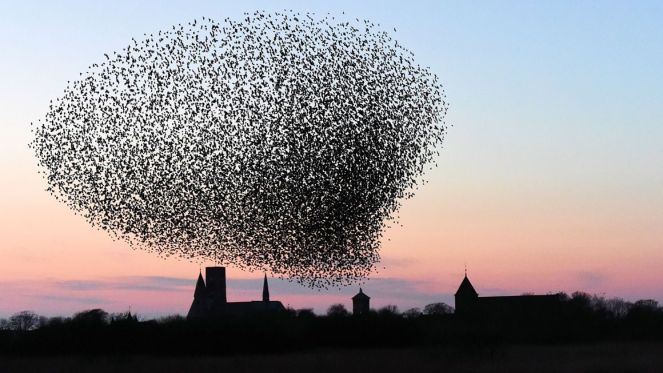
If you like birdwatching, a good time to visit is in the spring and autumn. There are so many starlings on the island of Rømø, that many people make a specific trek to the island to witness the phenomenon called The Black Sun. The Black Sun occurs when thousands of starlings murmurate in such a large number that they actually black out the sun.
murmurating
Starlings murmurating. Photo credit: visitdenmark

The best time for witnessing the Black Sun is early morning and late evening. We were not there at either time but we were able to catch a group of starlings as they prepared for their evening jaunt.

Esbjerg – Things to Do

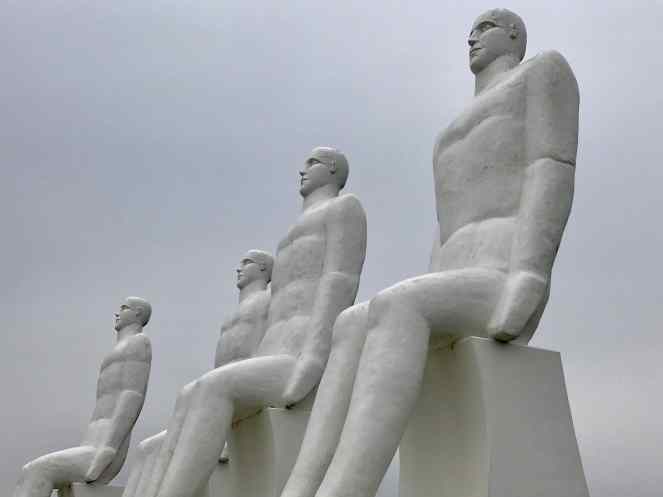
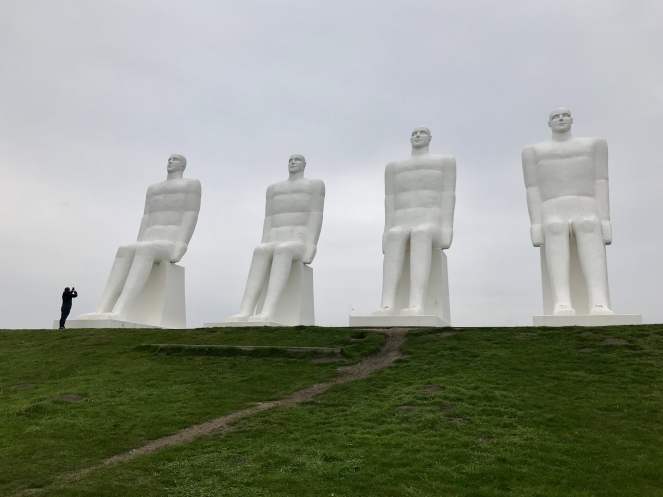
We started out in Esbjerg. Even though it is the fifth largest city in Denmark, Esbjerg, still feels a bit like a sleepy fishing village. Located north of the island of Rømø,  Esbjerg was once Denmark’s biggest fishing harbor. Today it is a popular summer destination for both Danes and Germans. One of the most famous landmarks in Esbjerg is the Svend Wiig Hansen sculpture Mennesket ved Havetor  or Men By The Sea.

Men By The Sea
fullsizeoutput_b603
Photo credit: Niche Travel Design
fullsizeoutput_b602
Photo credit: Niche Travel Design

The men are 9 meters tall and constructed of white concrete. Quite imposing, it is said that the men can be seen from 10 kilometers out at sea.  Staring out to the sea, rigid with blank eyes they reminded me of modern incarnations of the heads on Easter Island. They did not evoke happy feelings in me, but instead a feeling of numbness and dread.

According to the artist, they are meant to illustrate the meeting between mankind and nature.  The men are seated to represent a time before man rose up and “got dirt” on their hands. For Wigg Hansen, once men rose up and started creating, that was when where things started to go wrong. I find this to be an odd perspective coming from an artist.

Wiig Hansen decided to make the sculpture with 4 men because he felt 4 was more harmonious then an odd number. Again, that concept feels rigid and controlled to me. I guess I am not the right audience for this particular piece, although its sheer size was impressive.

In addition to public art, Esbjerg offers many active pursuits.

Swimming
A popular destination in Esbjerg is the Svømmestadion Danmark. Svømmestadion is Denmark’s largest bathing and swimming facility. It is an indoor pool and waterpark –  perfect for Scandinavia’s fickle weather.

If you want to spend your days outside, there are a number of options for cycling along the beautiful Jutland coast.

Cycling
The North Sea Cycle Route website can help you plan your perfect cycling adventure. The website offers cycle routes for everyone from beginners to experienced cyclists. There are a total of 1133 km/704 miles of cycle routes to peddle and enjoy the gentle Danish countryside. A popular routes for more experienced cyclers is Cycle Route number 1. Running from the German/Danish border, Cycle Route 1 is 560 km/348 miles.

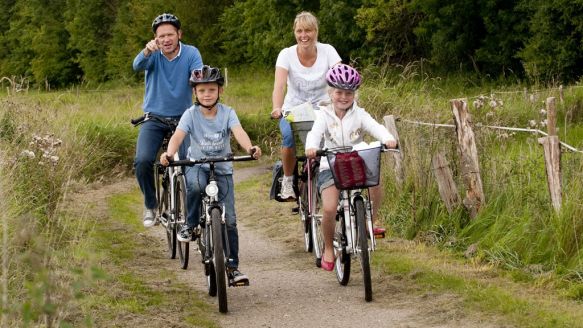
If you are looking for a more relaxed family cycle trip,  the Panorama routes are the way to go. There are 16 routes under the Panorama Route umbrella. The routes are circular and designed to accommodate families.
cykel-tirsbak
Photo credit: hwww.visitvejle.com

Each route is between 20 and 50 kilometers long. Most will take you along the Wadden Sea coastline. These routes are more suitable for beginner cyclers and families and every routes have restaurants along the way.  There are numerous options for bike rentals in Esbjerg, but two that come recommended are PJ Ferie and Fri Bikeshop Fanø.

Boat Races
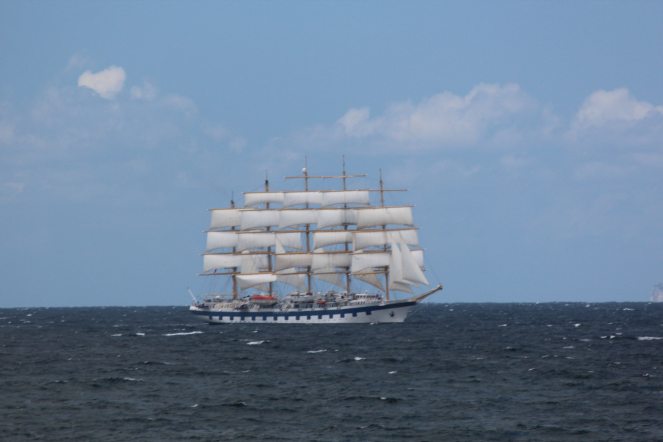
If you happen to be in Esbjerg in July, head to the beach to watch the The Tall Ship Races.  These magnificent ships with their huge white sails look dramatic racing each other on the Wadden Sea. The race starts in Sunderland, England, sails to Esbjerg, Denmark, then on to Stavanger, Norway with the final leg ending in Harlingen, Netherlands.
IMG_9844
Photo credit: Niche Travel Design

Sand Castles Of Sorts
If you are in the area from May to August, a friend told me not to miss the Søndervig Sand Sculpture Festival. Alas, we were too early, but these sand sculptures look unbelievable. More sand sculptures, than castles, these three dimensional sand  masterpieces look worthy of another trip. This year’s theme is Wizardry and Magic. Here are photos from last year’s festival.

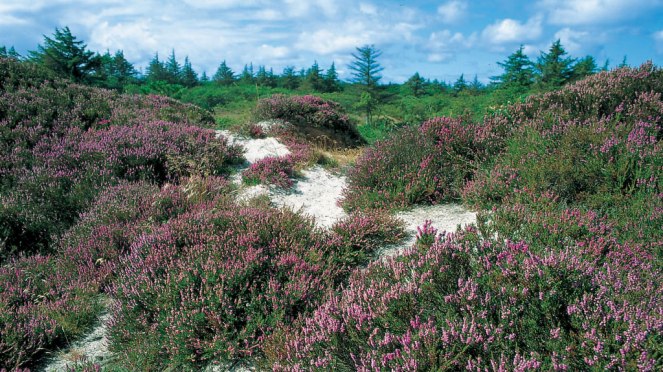
Hiking is a popular activity in the Esbjerg area. Both the Marbæk Nature area and the Kongeåen river area offer many trails to choose from.
maerbeck
Marbæk – Photo credit: visitesbjerg

If you want to mix it up after cycling, hiking and site seeing, take a canoe ride.

Canoeing
A canoe trip on the Kongeåen, will put you smack dab in the middle of history as the river historically marked the border between Denmark and Germany until the reunification in 1920.
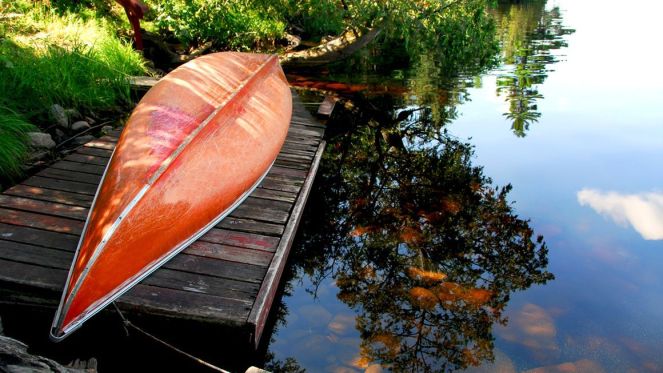
sps-ribe-kano-galleri1

A recommended route for your canoe trip along the Kongeå river begins at Søengevej, just east of Vejen. This is recommended because there is any easy launch pad into the water and the site has ample picnic tables and parking.
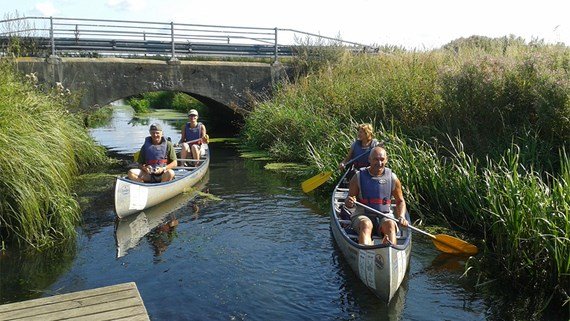
kano
Photo credit: Foldingbro Camping

If you launch from Søengevej you will actually begin your trip on the Andst Å river for about 30 minutes cruising past the Knag Mølle (Knag Mill) and then meeting up with the Kongeå river. If you want to take a break and have a picnic, you can stop at Hermansens Høj, just past the Knag Mølle.  Hermansens Høj offers picnic tables and fire pits for cooking if you want to grill your lunch.

There are numerous places along the way to drop off a car if you plan on only going one way on your trip. Most pit stops offer shelter, fire pits for cooking, tables and toilets.
 

Canoe rentals can be found at Kanocenter Syd and Ribe Byferie.

Fishing
They say that the fish are so plentiful in and around Esbjerg, that no one returns from a day of fishing empty handed.  There are over 15 different type of fish in the Esbjerg area and one can fish for both fresh water and sea fish. Some of the popular fishing spots are Sneum Stream, Varde Å, Ribe Vesterå, If you plan on fishing, you will need a license which can be purchased at www.fiskekort.dk.
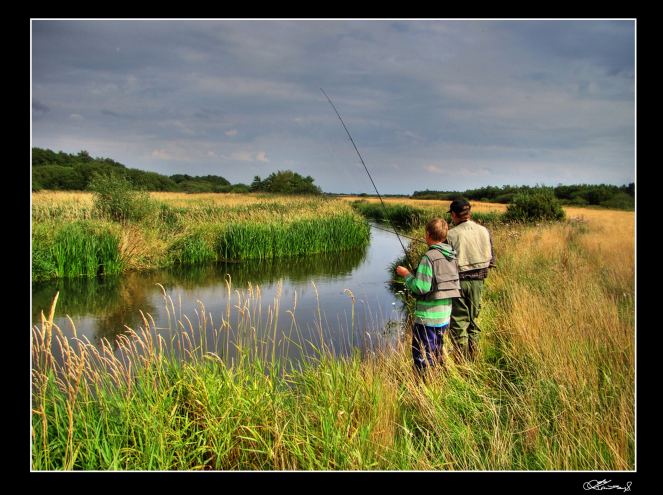
Bo og Peter
Photo credit: Lars Lundsgaard

The many options for fishing include fish farms where you can rent equipment.  If you prefer a fish farm, head to Tjæreborg Fiskpark or  Nebel Lake Put & Take


Hjerting Beach Park

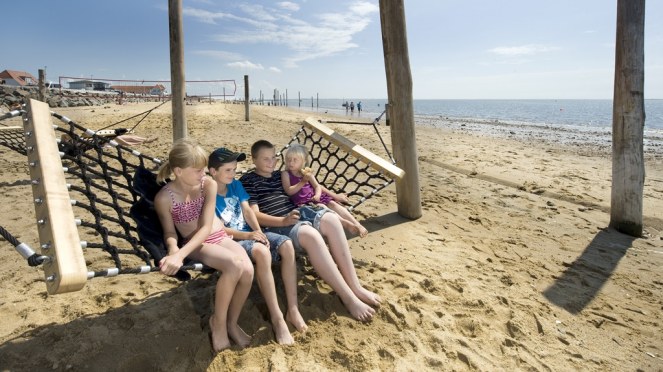
The most popular beach in Esbjerg is by far Hjerting Beach Park. At Hjerting one can swim, play beach volleyball, nap in a hammock, or stroll along the the 660 meter wooden promenade. If the tide is low, you can sit on the sea platform. If you miss the low tide, you can still enjoy the platform but you will have to swim out to it.

Other active pursuits on Hjerting Beach Park – sailing, water-skiing,  golfing, kite surfing, cycling, sea kayaking.
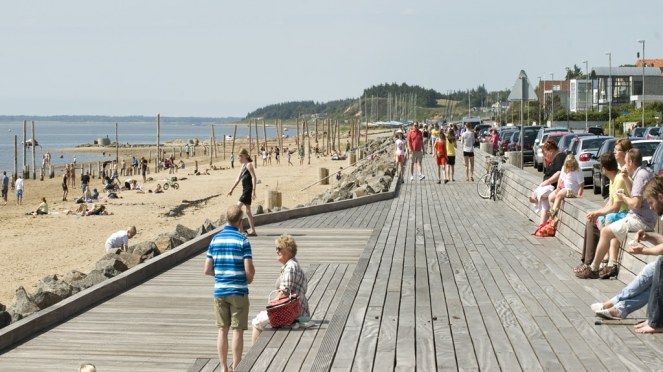
hjerting2
Photo credit: visitdenmark
hjerting3
Photo credit: visitdenmark

The reason that so many Danes and Germans flock to Rømø each summer is obvious. Like Esbjerg, there are many things to do, however, where Esbjerg feels like a cool city summer escape, Rømø feels remote, removed and relaxed. Esbjerg has restaurants and clubs. Rømø has forests, marshlands and a really big beach.

Activities
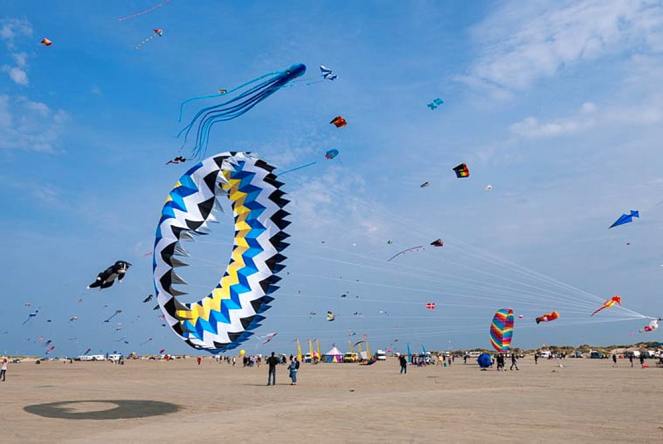
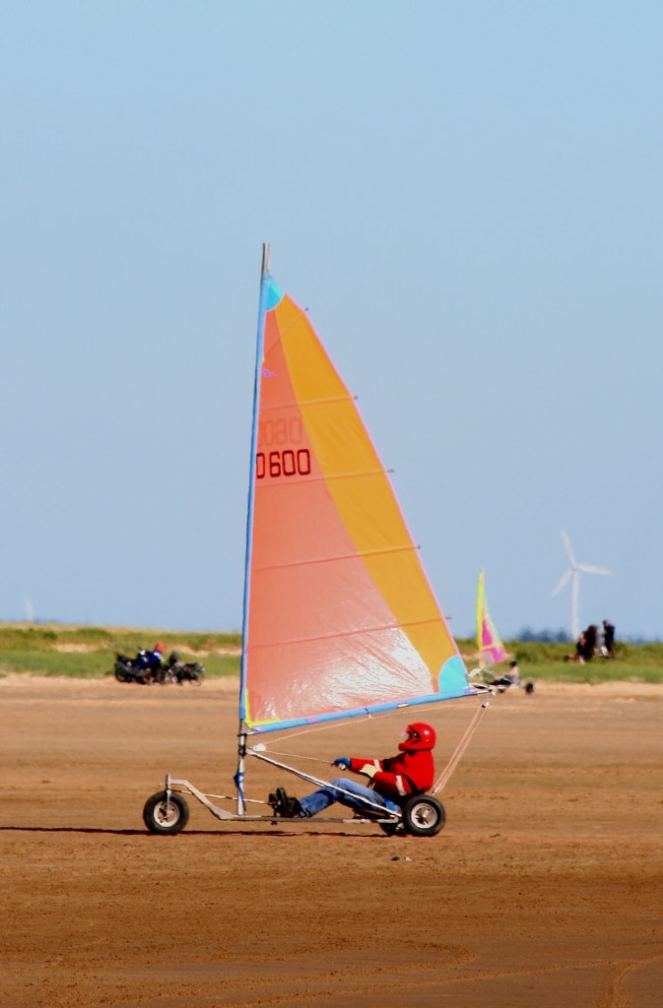
Like Esbjerg, Rømø is chalk full of activities. There is something for everyone to do and enjoy. Activities include cycling, kite surfing, windsurfing, oyster hunting, horseback riding on the beach,  golf and mini-golf, fishing, blokarts, seal excursions.
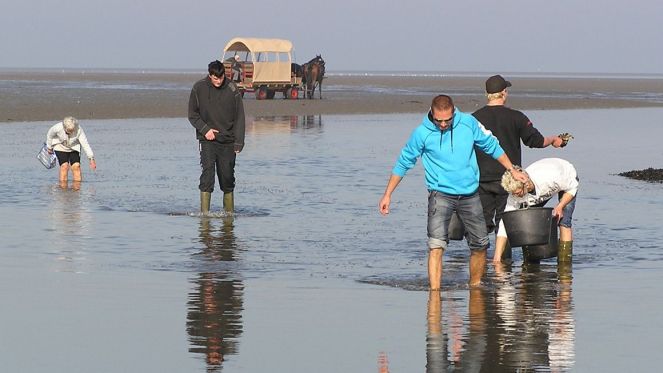
sps-osterstur-galleri3
Oyster hunting. Photo credit: rømø.dk
Kite festival, Romo, Denmark / Römö
Kite festival. Photo credit: rømø.dk
romo3
Blokarts – Photo credit: rømø.dk

Historic Sites

Hjemsted Oldtidspark
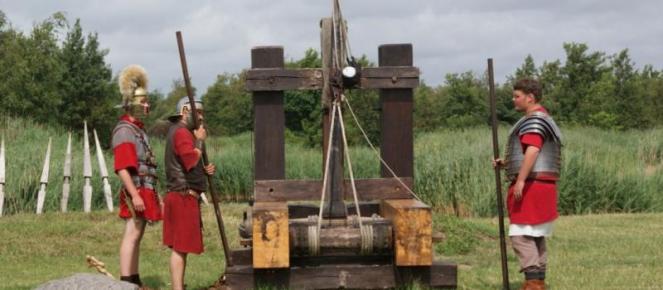
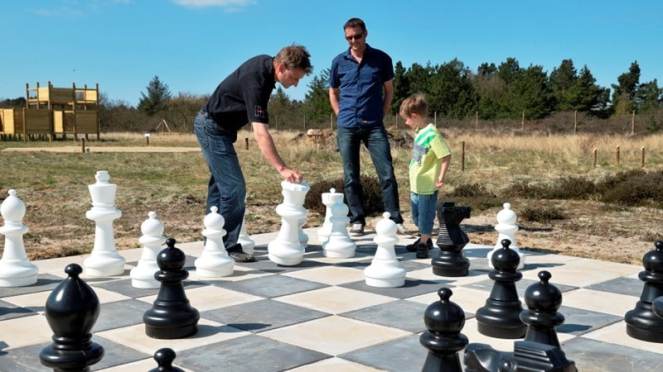
Want to travel back in time with your family? Head to Hjemsted Oldtidspark an historic theme park covering life in the Iron Age.  The park is located on the archeological site of an actual Stone Age village from 2000 years ago.

There, one can explore the underground museum with reconstructed graves, the Roman catapults, and a working iron workshop. You can learn crafts, hunting, fishing, agriculture practices and learn about cloth making, weaving and archery.

If you really want to understand life in the Iron Age, Hjemsted Oldtidspark offers longer stays and in one of the park’s houses onsite. These stays fill up quickly in high season so if you are interested, book well in advance.  You can read more about long term stays here.
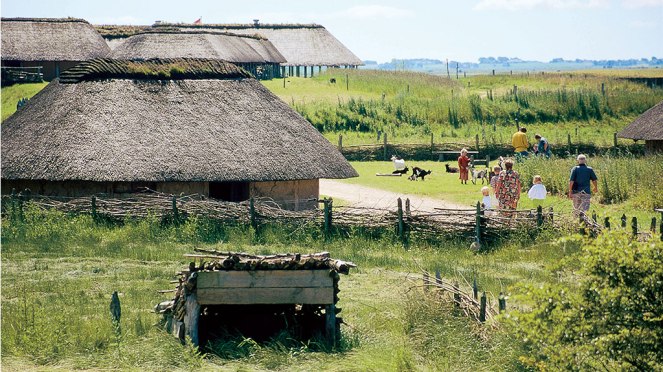
hjem1
Photo credit: http://www.hjemsted.dk
hjemsted2
Photo credit: http://www.hjemsted.dk
The Sea Captain’s House

For a bit of history of the island, visit the beautiful Sea Captain’s House. This national museum was a whaler’s home in the 1700s.  Here you will learn about the important whaling industry that dominated the area’s economy in the 18th century.

The house has a breathtaking view of the Wadden Sea and is furnished with typical 18th century furniture and paintings. There is also a gorgeous wall tiled with Dutch tiles from the period. The barn contains an entire whale skeleton and there is a fence built of whale bones up the road from the museum. Interesting, albeit a bit creepy too.

The grounds and the view are quite nice, and weather permitting, it would be a very nice place for a summer picnic. There is also a cafe on site that serves lunch.
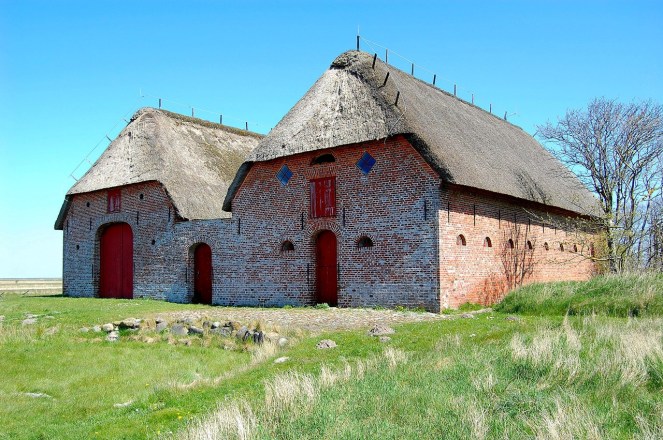
secaptainshouse.jpg
Photo credit: rømø.dk

Drøhse’s House
Drøhse’s House is one of  Rømø’s oldest houses dating back to 1672. The baroque house is a well-preserved depiction of life in the 17th century.  The house was a private residence for the upper class of Rømø throughout the 17th, 18th and 19th centuries.

In addition to the whaling industry, lace was a significant contributor to the island’s economic history.  Drøhse’s House provides a peek inside a traditional trading house, and houses a number of exhibitions focusing on lace and lace making, textiles, furniture and glass.  An added bonus, in the summer months, lacemakers can often be found working in the house.

A second bonus, be sure to visit the Lace Garden whose landscape was designed to resemble a 200-year-old Rømø lace pattern.
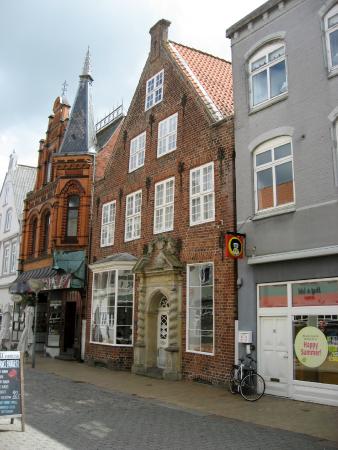
drohses-hus
The museum is located on a pedestrian street at Storegade 14 in Tønder.

Rømø Labyrinth Park
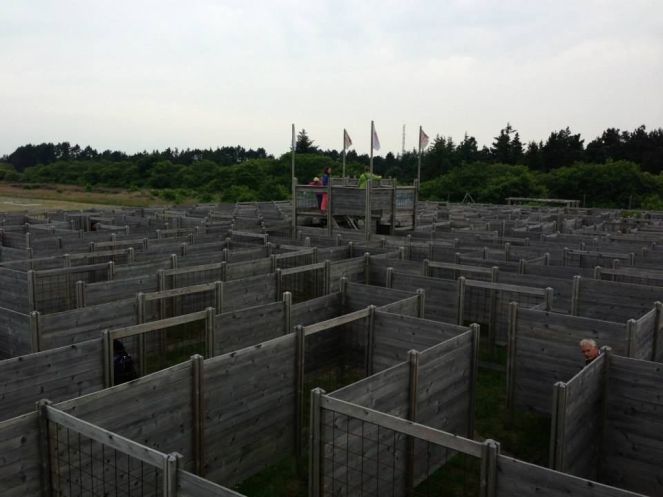
Looking for something to with tweens and teens, the Rømø Labyrinth Park is fun for teens and adults alike.
labrith2
Photo credit: visitdenmark
labryth
Photo credit: visitdenmark

Puzzles, labyrinths and games, the park is designed to encourage teamwork and cooperation.  And you can play their own game krolf – a mix between croquet and golf.

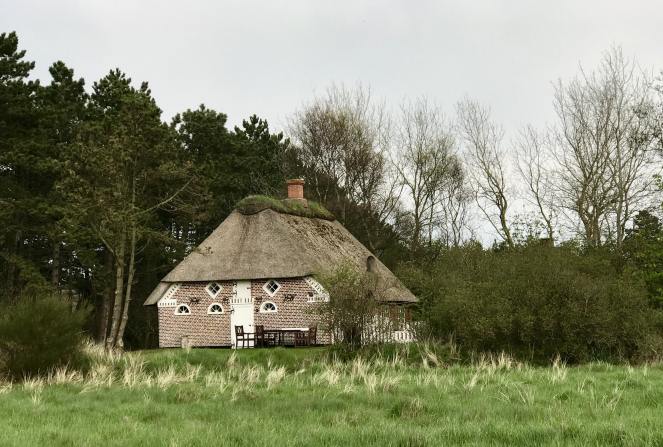
And One of My Favorite Activities: Exploring and Looking For Adorable Cottages
fullsizeoutput_b612
Photo credit: Niche Travel Design
fullsizeoutput_b613
Photo credit: Niche Travel Design
fullsizeoutput_b610
Photo credit: Niche Travel Design
fullsizeoutput_b60f
Photo credit: Niche Travel Design

We visited the area off season. The many cafes, galleries and excursion were not open for the season, yet, we still enjoyed our time and I must say that I understand the pull of the area.

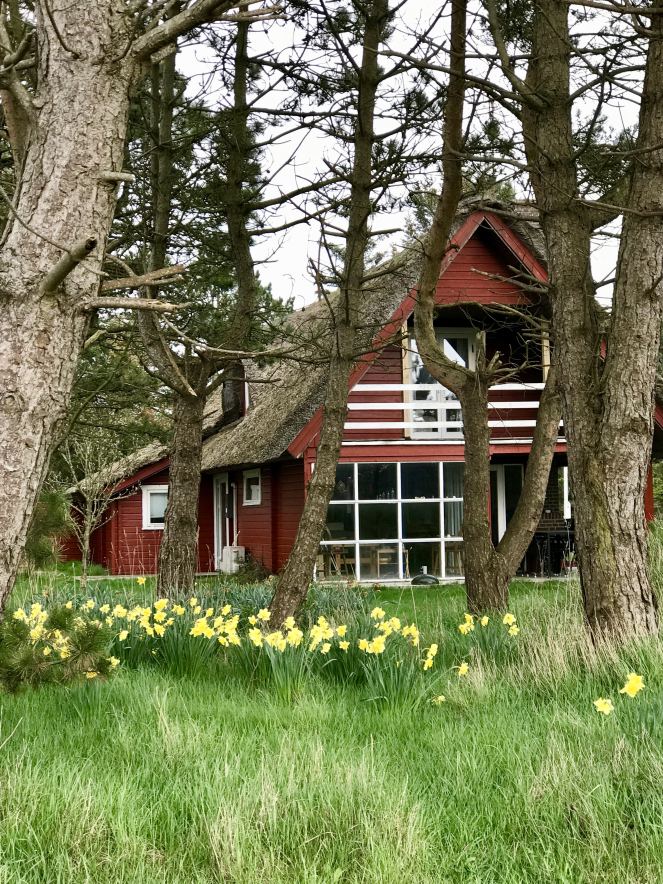
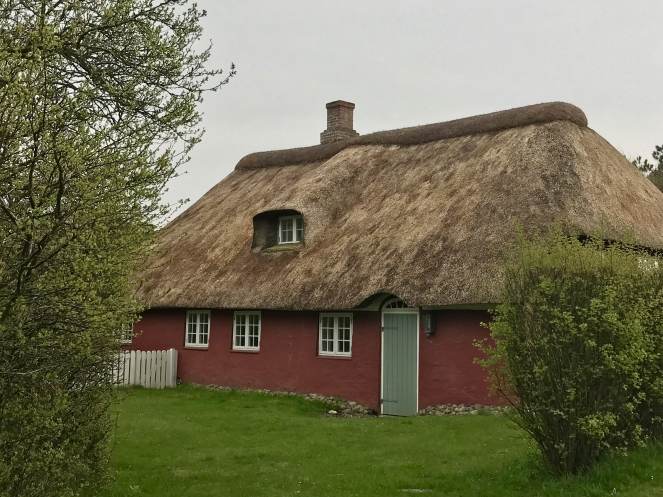
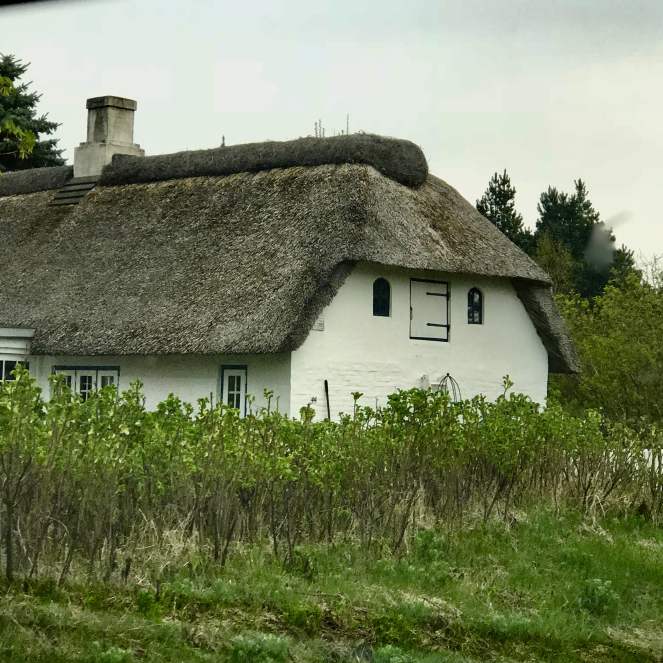
I want to return and rent an adorable thatched roofed cottage in the woods. I envision spending my days walking on the beach, going on an oyster safari, vacillating between all the active pursuits and reading a good book.  In the evenings I’d watch the starlings murmurate and ponder the wonders of nature. It is said that the Waddden Sea casts a spell on its visitors. I, for one, am spellbound.

Americans abroad · Croatia · European travel · ex-pat life · international travel · Plitvice Lakes · Travel

Plitvice – Where Unicorns, Rainbows and Fairies Are Born.

exploring-the-plitivce-lakes-705x470.jpg
Photo credit: Getty Images

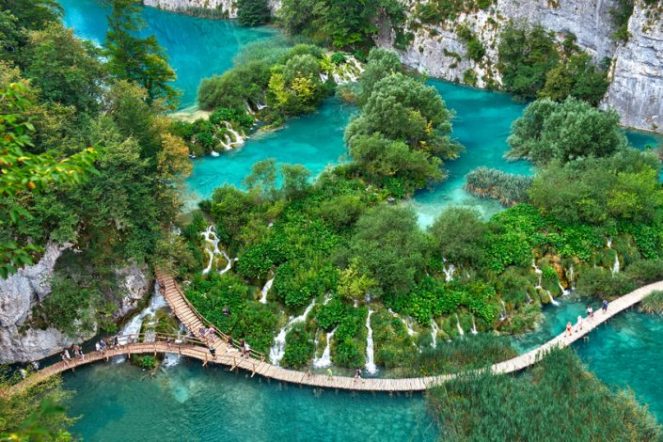
A few years ago, my brother told me about a national park in Croatia. He showed me some photos online and I could not believe that a place like Plitvice Lakes National Park existed. From the photos it looked fake. It looked like a place where unicorns, rainbows and fairies are born. I had to see it for myself.

fullsizeoutput_b531fullsizeoutput_b537

Listed as Croatia’s most popular tourist attraction, each year more than 1 million visitors head to this UNESCO World heritage site.  Most visit in the summer, but the park is open year round and after experiencing Plitvice, I want to revisit the magic of this place in autumn. The color of the trees set against that water must be incredible.

Plitvice is located in the mountains of central Croatia, near the border with Bosnia and Herzegovina, and, between Croatian capital city Zagreb and Zadar.  We purposefully chose the Dalmatian region for our trip due to its central location to a number of national parks that we wanted to explore. Pltivice was the last park we visited at the end of our stay and we almost didn’t make it. I am so glad that we made the time. The park is a must-see destination in Croatia.

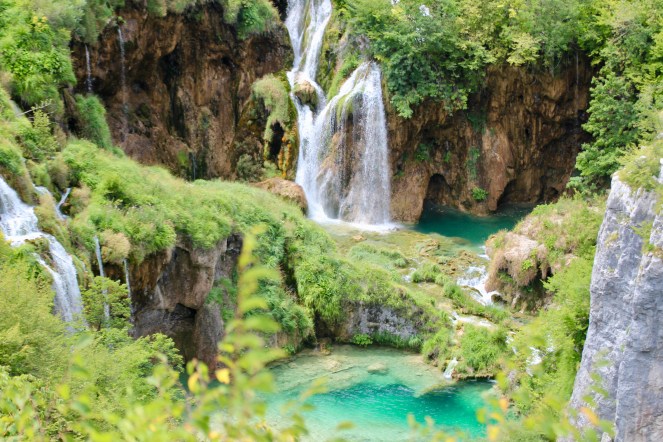
The park is made up of a series of cascading lakes which result from several small rivers flowing into one another. Fortunately, due to the protections provided by its UNESCO World Heritage Site designation, Plitvice has been allowed to flourish and maintain its natural Garden of Eden-esque status. The topography is varied. The flora and fauna, lush.

The origin of the name Plitvice has two incarnations. One version states that a priest named Dominik Vukasović, named the lakes pličina or plitvak, meaning shallow, because the lakes were formed by river water flowing and shaping shallow travertine basins  over time.

Another version of the name stems from the fact that the river Plitvica and the adjacent village of the same name gave origin to the name. It seems most logical to me that the 2 stories are both true. The name may have come from the Croatian word for shallow and then the river and village took on the same name given their proximity. What is interesting, however, is that reference to “shallow” may not be apropos forever. The travertine basins are living entities consisting of bacteria, algae, sediment and minerals which, much like coral in the oceans, are growing continuously. The travertine accumulates and grows at a rate of about 1 cm (0.4 in) per year. Ok, so maybe the “shallow” moniker still stands, but over time the entire area is growing which I find fascinating.

Things To Do
Plitvice has something to offer every outdoor enthusiast. One can leisurely stroll along the planked walkways, hike, boat, canyon climb, cycle or ski and sled in the winter.  The only thing one is not allowed to do at Plitvice, is swim. Sorry to you swimmers out there, but there’s no swimming allowed because of the need to protect the travertine and the plant and animal life which makes the places so enchanting . If you must get as close to the gorgeous water as you can,  small row boats are available to rent for 50kn/hour (7 euros or 8 US dollars ).  You can also take a ride on an electric boat to the 12 upper and 4 lower lakes. The electric boat rides are included with your admission ticket.

There are approximately 300 square kilometers, forest trails, 16 lakes, limestone canyons and waterfalls to explore.  There were so many waterfalls that we lost count.  Many people spend a few days at Plitvice, and there are plenty of accommodation choices available – everything from luxury lodging to camping. Sadly, we were only able to carve out a day trip from Zadar.

Things Not To Do
When visiting the park, it is critical to know that one cannot:

  • Collect plant materials or take any “souvenirs” of natural origin
  • Feed, disturb, touch the animals
  • Swim in the lakes (that part is the most disappointing as it was hot as Hades and the water looks sooooooo inviting).
  • Throw litter along the trails or elsewhere, except in the garbage bins installed throughout the park. It is shocking that this is even something one needs to be reminded of, but . . .
  • Stray off of the marked trails
  • Fish
  • Yell or be loud
  • Cycle or camp within the park’s borders

The Water Really Is That Color
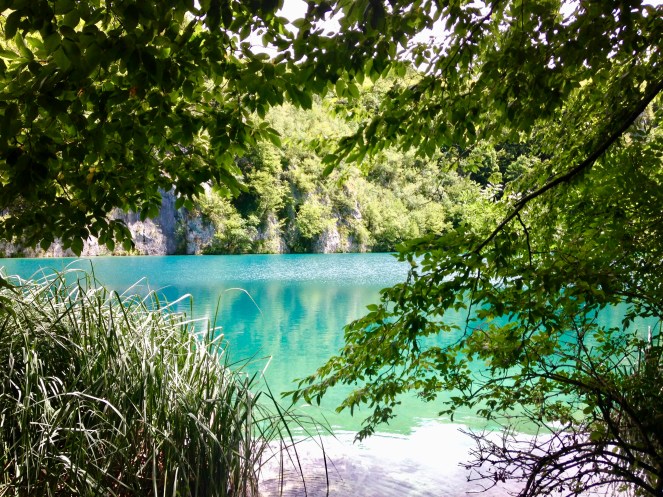
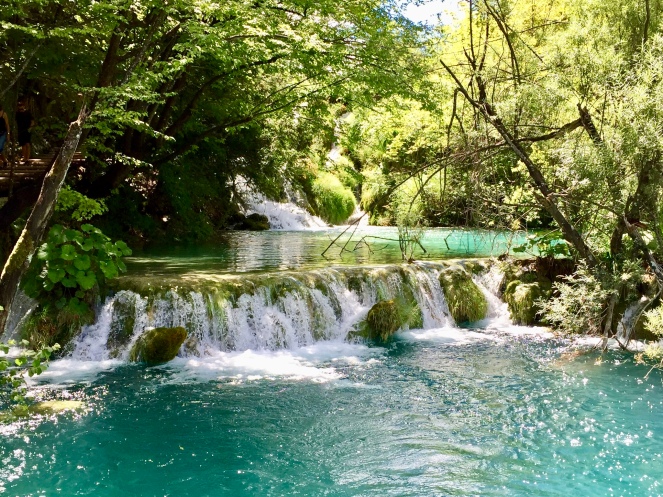
The lakes are renowned for their distinctive bright colors. And, the water color changes from emerald green, turquoise blue, and grey depending on the quantity of minerals, the number of organisms in the water, the season, and, the angle of sunlight.

We saw bright turquoise, emerald green and crystal clear streams. The fact that the water color changes at just about every turn, adds another element of otherworldliness to the place. This park had all my senses engaged and stimulated my imagination. I was imagining children’s books where the places were named for the different locations and colors. The fairies live at Emerald Lake, while the unicorns hide behind the rushing falls of Turquoise Lagoon. And, of course rainbows are made on top of Oštri Medveđak, the park’s highest peak. Silly? Maybe. The magic of Plitvice got me.

Practical Stuff
There are two entrances to the park. When planning your trip, check out the trail options before you go in order to know where to park.

We opted for Entrance 2 (South Gate and Upper lakes) as it was closer to the waterfalls that I wanted to see. When visiting, be advised, the park is crowded, the walkways are simple uneven wooden planks with no railings. I cannot tell you the number of times I almost was jostled into the water. Advice, take a waterproof camera and/or phone case for your smartphone in case of an accidental fall into the water.

From entrance 2, there are 4 trail options to suit every level of difficulty and time.

  • Trail E (2-3 hours – 5.2 km – easy) upper lakes to Proscansko Jezero starting with a short boat ride across the Kozjak Lake.
  • Trail F (3-4 hours – 4.6km – easy) walk the upper lakes and sail across lake Kozjaka, then visit the lower lakes – take shuttle back
  • Trail H (4-6 hours – 8.9km – moderate) starts with a bus ride to your starting point, walk the upper lakes then sail across lake Kozjaka, to the lower lakes – take shuttle bus back.
  • Trail K-2 (6-8 hours – 18.3km -difficult) like Trail K-1 – explore the whole park.

Another option if you are looking for a moderate hike, is Trail C from Entrance No 1. This path starts with an uphill climb and allows you to see both lakes. A stop at the upper lakes is also a perfect spot to rest, drink some water and enjoy a picnic.

If you go in the summer, try arrive early as it gets VERY crowded.  We were told that the majority of tour busses usually arrive between 11:30 – 12:30.  If you get there early enough, you can avoid the majority of the tour bus crowds.  Another option for a visit during the summer, is to arrive in the afternoon when most tour groups have finished their guided walks. Summer days are long with light and a peaceful afternoon in Plitvice would be heavenly.

I would also recommend packing a lunch. We made the mistake of not bringing food and were disappointed with our options. The food inside the park is bland, overpriced and poor quality. It would have been much nicer to have had a nice picnic overlooking this:

fullsizeoutput_b520

My family loved everything about Croatia, but Plitvice was definitely one of the highlights. If you visit Croatia, you simply must visit Plitvice. And, please, let me know if you spot any fairies, unicorns or rainbows.

Americans abroad · art · Copenhagen Denmark · Denmark · European travel · ex-pat life · international travel · Malmo Sweden · Modern Art · Travel

Sun, Sea & Picasso – The First Day of Spring at The Louisiana Museum of Modern Art

We here in Scandinavia have had an unusually long winter – 5 1/2 months to be precise. 5 1/2 months of snow, sleet, rain, cold grey days.  This weekend the spell was broken, however. It was sunny at last. A proper spring day with sun and a chill in the air. All day I kept hearing the Beatles refrain in my head , “Here comes the sun . . .”

In honor of the lovely first day of spring we headed to one of our favorite indoor/outdoor spaces – The Lousiania Museum of Modern Art in Humlebæk, Denmark.

The museum sits on a bluff overlooking the Öresund Strait and enjoys sweeping lawns with an incredible display of sculpture, trees, flowers, sea breezes. Just visiting the grounds are worth it, but then there is the museum itself. Architecturally, the museum structure and grounds evoke Frank Lloyd Wright and his philosophy of bringing nature into the building. The museum is designed with lots of big windows whose function it is to bring nature inside the museum walls. It is a space that simply makes one feel calm, peaceful and good.


The grounds have sculptures scattered throughout. The sculptures are not placed haphazardly, however. The sculptures are specifically positioned in order to interact with the architecture and nature that surround them. The placements are precise and are designed to allow visitors to enjoy a different experience with each visit depending on the weather and the season.

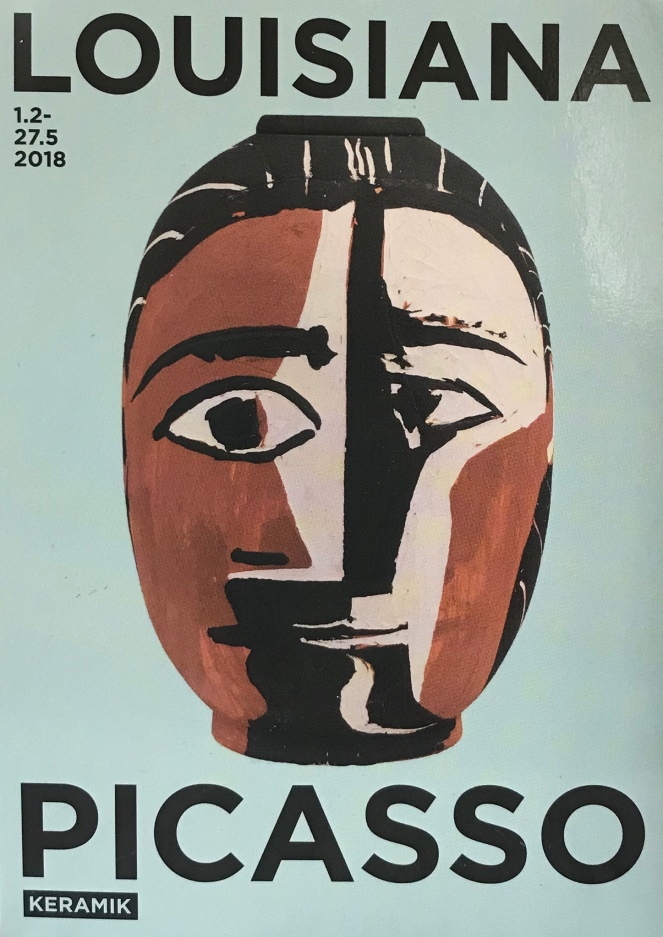
We would have been happy just enjoying the sun and sea that day, but imagine our surprise when we arrived and discovered that there was a Picasso ceramics exhibit going on. This particular exhibit was named one of the top exhibits to see in 2018 by the New York Times and it does not disappoint.

fullsizeoutput_b40b.jpeg

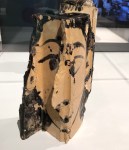
In fact, it was stunning. One of the things I have always loved about Picasso is that his work is so dynamic and prolific –  his work encompasses traditional paintings, the cubists phase, sculpture and then his colorful, whimsical ceramics.  There are over 160 pieces on display and a lovely film offered with English subtitles about this particular creative period in Picasso’s life.

Picasso’s interest in ceramics began in the summer of 1946 when he attended an exhibition in Vallauris, France, an area known for making ceramics since Roman times. After WWII, and at at the height of his success, Picasso returned to Vallauris seeking new artistic experiences. The war had worn him down emotionally and he sought new challenges and inspiration artistically.  In this last period of his life he began to pick up clay and he immediately began experimenting with the materials, glazing techniques and processes. Apparently, Pcasso loved how unpredictable the firing process was on the clay and he enjoyed the resulting surprise of colors that emerged.

All in all, it is estimated that Picasso produced over 4,000 cera­mic objects during this time. It is said that one of the things that inspired him to create ceramics was the desire to put art in the hands and lives of the common man.  By turning utility objects like a platter or a water pitcher into an art piece, it allowed art to enter the every day world. So dedicated to the concept of making art available to all, Picasso created a line of work called Edition Picasso which were created specifically to be affordable. Picasso essentially served as the designer and allowed a ceramic workshop in Madoura, France to actually replicate each piece. This was one of the first (if not the first) times in art history that copies were mass produced based on an original work.  Picasso’s confidants advised him against this idea warning him that the practice would devalue his other works. Picasso soldiered on with the idea and from 1947 – 1971 he designed over 600 editions for the collection. And while initially affordable, once the artist died, the Edition Picasso ceramics went steadily up in price and did no damage at all to the value of Picasso’s other works.


If you are in the Copenhagen area and are looking for a unique museum experience as well as an outstanding collection of art, I highly recommend the Louisiana Museum of Modern Art. And if you are not in the area just now, keep a look out for the Picasso ceramic exhibit coming to a museum near you. You will not be disappointed.

Americans abroad · ex-pat life · Italy · Parma Italy · Travel

“Toto, I’ve A Feeling We’re Not In Kansas Anymore.”

toto

Today my poor daughter did what I long to do most days. She burst into tears when the tutor asked her what the correct article was for her sentence in Italian.

I have always loved words.  I like reading. I like researching the origin of words. I like learning about colloquialisms. I like learning the difference between a colloquialism and an idiom.  I like to keep lists of words that appeal to my ear.  Words like verdant, flummoxed, phalanges and evanescent.

About a hundred years ago I took a year and a half of French. I was young, I never studied and I rarely paid attention.  Not surprising then, that my French didn’t stick.  Living in California I picked up a smattering (another favorite word) of Spanish – you know, enough to order food and beer and find a bathroom when needed, but I have always felt as if there were a hole in my education because I don’t speak another language other than English.

So, imagine my delight when I learned we were moving to another country where I could immerse myself in another language – a beautiful Romance language no less.  I was naive enough to think it would be easy.  I thought, “First I’ll learn Italian since we will be living there. Then I’ll learn French because the kids are learning it and I certainly don’t want my teenagers to have a whole other language that they can communicate in that my husband and I do not understand. And, besides France will be so close and its a Romance language too so how hard can it really be?” HA!

It has been a year and I still don’t speak Italian, let alone French!  I can get around, I can order food in a restaurant. I have simple conversations with shopkeepers, but I am frustrated at how long it is taking me to really learn Italian.

Learning a new language at age 49 is very difficult for my old brain. Il mio cervello e’ stanco e anziano.  I had always heard (from other Americans) that, “English is one of the hardest languages to learn.” My experience, and discussions with people who speak English as a second or third language does not bear that out, however.  The people in my Italian class and our European friends all tell us that English is simple. In English the articles do not change very often (a, an, the) and our verbs do not change for every person as they do in Romance languages. Granted, English pronunciations and spelling are difficult, but our grammar is relatively simple.

Italian verbs change for every person (I, you, he/she, we, us, you guys, them) that you are speaking of or about. And they have a separate verb tense if you being polite. There are so many articles I need charts and graphs to remember them all. And, there seems to be an exception for every grammar rule that I learn.

I also discovered that Italians don’t believe in silly rules. Rules are mere suggestions.  When I asked a friend  why the grammar rule that I just memorized didn’t apply, her answer was “because it is more poetic to say it this way.”  Now I have to think about the poetry of the language too?   Toto, I have a feeling we’re not in Kansas anymore.

Americans abroad · Emilia Romagna · European travel · ex-pat life · Parma Italy · Travel

L’Onda

Life in a foreign land

Life In A Foreign Land

When adapting to a new life in a foreign land, I think Dame Judy Dench put it best:

“Initially, you are overwhelmed. But gradually you realize it’s like a wave. Resist and you’ll be knocked over. Dive into it and you’ll swim out the other side.  This is a new and different world. The challenge is to cope with it. And not just cope, but thrive.”

Dame Judi Dench
The Best Exotic Marigold Hotel

Americans abroad · Emilia Romagna · European travel · ex-pat life · Firenze Italia · Florence Italy · international travel · Italian food · Italy · Parma Italy · Travel

Guidos – Driving In Italy

Guidos – Driving In Italy

In the USA, a Guido is a slang (some would say pejorative) word for an Italian American.  In Italy, however, Guido is a boy’s name or when used as a verb it literally means “I drive.”

We had been in Italy for a week when my husband had a work conference in Florence.  Would the kids and I like to come along? School had not started yet. We could not move into our apartment yet and it was Florence, so Hell yeah!  The only hitch, Joe would be taking a bus with the other employees so I would have to drive the hour and half on my own with the kids or take the train. Since I spoke no Italian I figured driving would be easier than trying to buy train tickets, figure out schedules, etc.

Besides, I had been driving around Parma and back and forth to the local Ikea (pronounced hilariously to my children as ‘eee’ kay- yuh‘) with no problems. Plus, we had a GPS in the car.  How hard could it be?  It is only 1.5 hours away.  Driving to Florence was no problem!

Armed with the overconfidence that comes with 30 years of driving, we set out.

THE ITALIAN DRIVER

On the ride down I became acquainted with the Italian driver.

For a large portion of the autostrada (highway) between Parma and Florence, there are only two lanes. One lane is perpetually occupied by semi trucks.  Semi trucks which travel at a very high speed and get right up your bum.  Thus, the only option if you don’t want to be a semi sandwich is to go around them in the other lane.  This is an option equivalent to playing Russian Roulette.

Guidos - Driving in Italy

The cars travel at speeds far faster than the semi trucks.  They also drift across the entire autostrada paying no attention whatsoever to lane lines.  At first I thought they must be drunk they way they were swerving, but it was happening so often that I realized it was just the way they drive here.

Now, I am a responsible driver with my two precious kids in the car so I am going to drive responsibly. Apparently, driving responsibility is a personal affront to Italian drivers.  My driving habits bring on a host of activity from the Italians – honking, fist shaking, lights flashing, swerving to see if they can squeeze their car between me and the semi in the next lane.  At one point the driver behind me was so close to me that when I looked in my rear view mirror I could see the part in her hair.  I can still remember the pink hair clip she was wearing.

So after an hour and a half of pure white knuckle driving we arrived in Florence. Finally, I was going to park the car and relax.  Ha!  It took us 1.5 hours to get to Florence and another 2.5 to find the hotel.

Driving in Italy

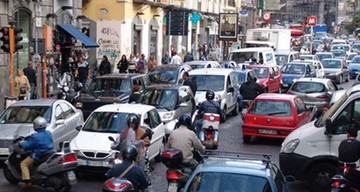
The GPS kept trying to send me down one way streets or streets that were blocked off.  I was driving in circles and now the autostrada seemed like the bumper cars at the fair.  Imagine the same speed, drifting and erratic driving but now on ancient narrow streets with people and scooters added to the mix. And no where at all to stop or park.  The streets that I needed to get to the hotel were either blocked or too narrow for a car to fit.

After 1.5 hours of trying to find the hotel on my own, I was in the middle of a full blown, all out, screaming at the kids, nervous breakdown. I pulled over as best I could and simply stopped. I called Joe. He sweetly tried to help and offer suggestions over the phone from the bus. He called the hotel for me. I cried and screamed at him. He didn’t understand how awful it was.

WHEN IN ROME . . . OR FLORENCE

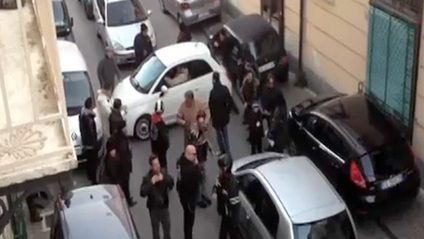
Through my tears I noticed a crowd of police men and women directing traffic. Surely they could help me.  I eased over and once again decided to block traffic like an Italian native.  The police woman thankfully spoke English.  She asked me where I was from. I explained that we had just moved to Italy a week ago and that we were joining my husband for a work trip. She told me that tourists should never drive in Florence. My husband’s work should have told us that.  The hotel should have told us that.  She explained that it is difficult for the locals to drive in Florence because the streets change almost on a weekly basis according to politics. That explained why the GPS was having such a hard time. She asked where my husband was.  I told her he was on the bus with his office mates.  “Hum.” she said with a raised eyebrow.

“Allora” she tells me, “you must drive over that bridge there.  Once you are across the bridge you go straight and your hotel is very close.  Another right turn and there you will find it.”

“I can’t go across the bridge. It is one way traffic going the opposite direction. And the street is blocked with a chain,” I respond.

“Ignore the traffic. It is the fastest way and I will have my colleague meet you at the chain, He will unlock it and you can drive through,” she tells me.

“Huh?!” Did the police woman just instruct me to break the law? I am stricken with terror at the thought, but I am also so close to having a permanent breakdown that I decide it is worth it. Jail would be a welcome relief from Italian drivers.

I grip the steering wheel and proceed to drive against traffic across the Ponte Santa Trinita.  Everyone, justifiably this time, is once again honking, screaming, shaking fists at me, but damn it, we made it across. We pulled up to the chained street. We waited for 30 minutes. No one came.  I negotiated the terrors of Firenze traffic again to wind my way back to the police woman.  She instructs me to do the same thing again. I tell her that I already did what she suggested but no one came to meet us at the chain. She tells me I must be patient.  I cross the Ponte Santa Trinita again. Against traffic. Against all reason and sanity.

This time, however, I noticed a city bus lumbering along. I thought to myself, “if that bus can fit, then so can I.” I threw caution to the wind. I ignored the chain and decided to follow the bus. It worked! I swear I heard angels sing when I finally found the street that our hotel was located on. We were close. All I had to do was find the piazza to park in as the hotel had instructed me.

I pulled up to what is, to this day, the tiniest piazza that I have ever seen. There were a few of the teeny Smart electric cars parked, but even they were parked all akimbo because space was so tight.  I didn’t want to leave the car double parked only to come back and find it towed away.  So I stayed with the car, our luggage, a distraught Lena and the passports while Aleksander ran to the hotel and asked what to do.

Guidos - Driving In Italy

Aleks returned and said that the hotel advised us to just leave the car double parked until we checked in.  What? What was this new world where the rules just do not apply?

But, it was all I needed to hear. We abandoned the car, blocking people in.  At the front desk I asked where the piazza for parking was that they kept telling me about over the phone.

“It is just there. Where your car is.”

“That is the hotel parking? There is nowhere to park in the piazza.”

“We know.  There is never any parking there. Just leave it there with the keys. We will take care of it.”

With pleasure!

Americans abroad · Emilia Romagna · European travel · ex-pat life · international travel · Italy · Parma Italy · Uncategorized

Strip Malls Italian Style

Picture


August 2011

Arrived. Tired, bedraggled and sleepy but we made it. Kids cried upon arrival but were laughing later in the day. Internet connection is sketchy at best. Cannot move in yet, but we are going there to unpack and organize. Just want a home again. It has been months.

Things that are going to take some getting used to:  lack of space; I have an Easy Bake Oven for an oven – seriously – none of our pans will fit in it and we have a dorm room sized fridge.

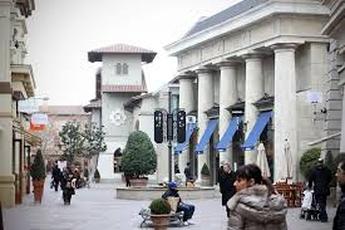
Things that I am super excited about (besides the culture, learning another language, travel, shopping):  the best pizza ever a block away (Lena said she can never eat pizza in the USA again); a champagneria a block away; an H & M across the street, a movie theater across the street and are you ready for this . . . an outlet mall about 10 minutes north of us with Roberto Cavalli, Versace, Dolce and Gabbana, Armani, Missoni, Escada, La Perla, Furla, Frette, Bruno Magli, Miss Sixty, and Valentino to name a few. And about five more minutes away from the outlet mall is a thermal bath and spa. Yay!!!!